
NPPA Approves 30% Trade Margin Cap on 137 Anti-Cancer Drugs; Revised Prices to Take Effect from November 9

Move under DPCO, 2013 aims to curb excessive trade mark-ups, improve affordability and ensure uninterrupted availability of essential cancer medicines

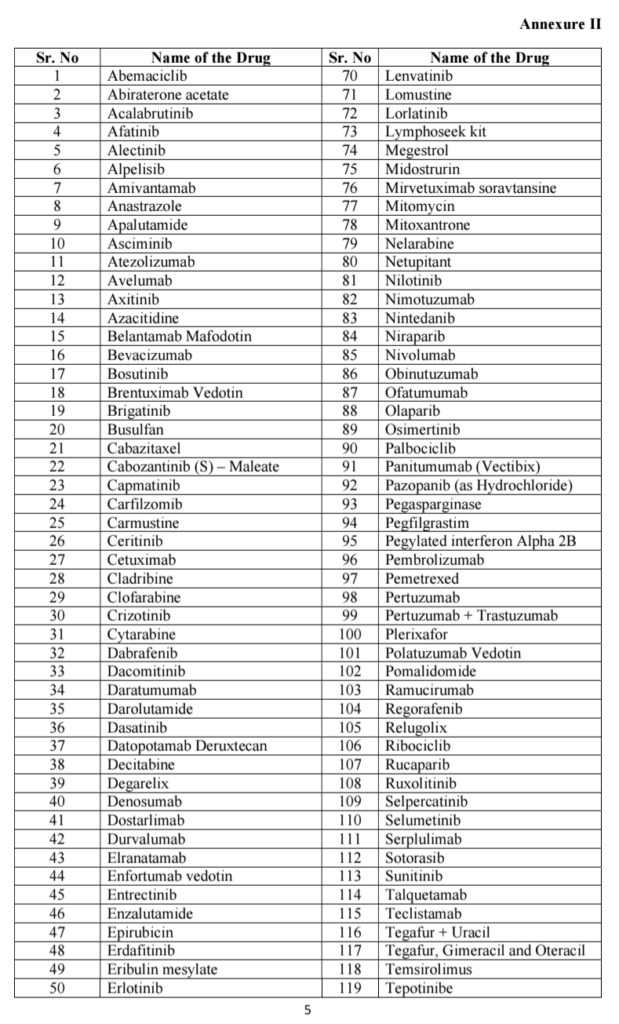
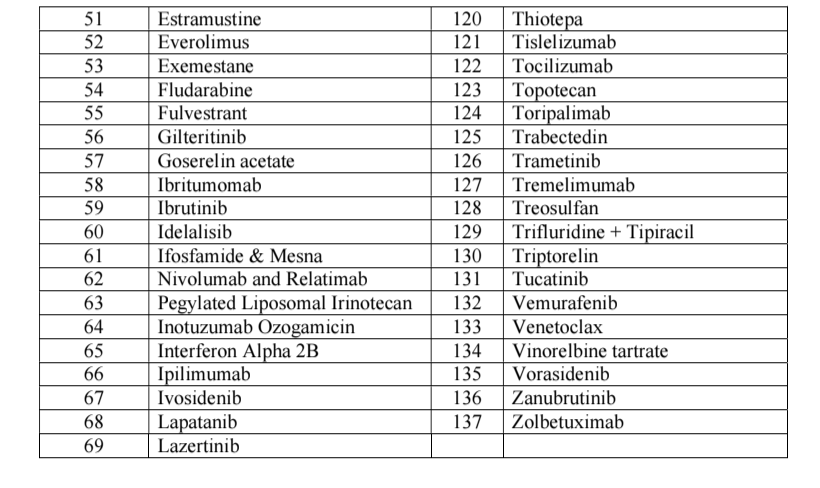
The National Pharmaceutical Pricing Authority (NPPA) has approved a trade margin rationalisation (TMR) mechanism for 137 non-scheduled anti-cancer drugs, capping trade margins at 30% of the maximum retail price (MRP), excluding GST. The revised prices will come into effect from November 9, 2026, and remain in force until further orders.

The revised prices of the identified non-scheduled anti-cancer drugs are expected to decrease by up to 70%, depending on their existing price structures. However, the actual reduction will vary from medicine to medicine.
The decision was taken at the Authority’s 284th overall and 152nd meetings under the Drugs (Prices Control) Order (DPCO), 2013, held on October 16 and 17, 2026, under the chairmanship of Manoj Joshi, Secretary, Department of Pharmaceuticals and Chairman of NPPA.

The intervention will be implemented under Paragraph 19 of DPCO, 2013, which empowers the government to take action in extraordinary circumstances in the public interest.

Price cap to curb excessive trade mark-ups

According to the meeting minutes, the Authority considered the need to address excessive trade mark-ups on non-scheduled anti-cancer medicines, citing market evidence, public-health concerns and the precedent set by a similar intervention in 2019.

The Authority decided to limit the trade margin to 30% of the MRP, excluding GST. This corresponds to a mark-up of 42.86% on the price to stockist or price to distributor (PTS/PTD), allowing a reasonable margin for the trade while seeking to prevent excessive increases in retail prices.

The measure follows deliberations at the Authority’s previous meeting on October 8, 2026, and is based on recommendations from an expert committee of the Ministry of Health and Family Welfare, which identified 137 anti-cancer drugs for inclusion in the exercise.

The 137 identified medicines include immunotherapy drugs used to treat more than 20 types of cancer, as well as Denosumab, used by breast and prostate cancer patients; Pegfilgrastim, used to prevent neutropenia in cancer patients; and Bevacizumab, approved for the treatment of certain cancers, including colorectal, ovarian and cervical cancer. The PIB release also highlighted medicines such as Pembrolizumab, Durvalumab and Osimertinib, whose revised MRPs are expected to improve affordability for cancer patients.

March 2026 prices to serve as the reference

NPPA has approved a mechanism for calculating revised MRPs using PTS/PTD data for March 2026 as the reference.

The PTS/PTD will be calculated by dividing the manufacturer’s net sales realisation for the relevant product during the reference month by the total quantity sold. If a manufacturer recorded no sales during March 2026, the calculation will use sales data for the period from April 2025 to March 2026.

All categories of sales will be considered, except government sales.

For formulations launched after March 31, 2026, the revised MRP will be calculated using the current PTS/PTD. Where manufacturers supply medicines directly to hospitals or medical institutions, the institutions will be treated as stockists or distributors, and the manufacturer’s invoice data will be used for the calculation.

Higher-priced formulations must be reduced

Manufacturers selling branded or generic versions of the covered medicines at prices above the newly calculated MRP will be required to reduce their prices accordingly. Where an existing MRP is lower than the calculated price, the lower price must be maintained.

The order will also cover patented medicines, except where an exemption has been approved under Paragraph 32 of DPCO, 2013.

The price-control mechanism will apply to non-scheduled formulations containing any of the listed drugs, whether used individually or in combination. Its coverage will extend across strengths, dosage forms and routes of administration, including formulations used for therapeutic indications other than cancer.

Following publication of the notification in the Official Gazette, earlier price orders fixing ceiling prices or retail prices under the relevant provisions of DPCO, 2013, where applicable, will stand superseded as specified in the order.

Manufacturers given seven days to submit revised prices

Manufacturers will have seven days from publication of the order in the Official Gazette to submit revised MRP information to NPPA and the concerned State Drug Controller, whether or not the MRP changes.

Consumers can check the revised prices of medicines through the NPPA website and the Pharma Sahi Daam mobile application. Manufacturers must disseminate revised price lists to retailers and hospitals, while hospitals are required to ensure that the applicable reduced prices are implemented from November 9, 2026.

They must also issue and submit the revised price list in Form V through the Integrated Pharmaceutical Database Management System (IPDMS) and provide copies to State Drug Controllers, dealers and other relevant entities within the same period.

Failure to submit the required information will be treated as non-reduction of MRP and may lead to action to recover overcharged amounts under the applicable provisions of DPCO, 2013.Retailers, dealers, hospitals and medical institutions will be required to prominently display the applicable price lists and supplementary price lists.

Patient assistance programmes receive conditional exemption

The order provides for the exclusion of quantities supplied free of cost to patients under manufacturers’ Patient Assistance Programmes (PAP) from PTS/PTD and MRP calculations for trade-margin capping, subject to specified conditions.Manufacturers will have to furnish an undertaking to NPPA and maintain detailed patient records, including identity and residence documents, disease and prescription details, and records of medicines imported, received and consumed.

The medicines must be used exclusively for the specified purpose. NPPA will retain the authority to seek additional information, conduct audits and inspections, and verify programme implementation. Non-compliance may result in the relevant quantities losing the exemption.

Supply continuity and regulatory monitoringAlongside price regulation, NPPA has emphasised the need to maintain uninterrupted supplies of the covered medicines.

Manufacturers will be required to maintain current production levels. Any manufacturer proposing to reduce average monthly production must obtain prior permission from NPPA. Those intending to discontinue production or imports must submit the prescribed information in Form IV of Schedule II of DPCO, 2013, at least six months before the proposed discontinuation date.

Hospitals and medical institutions, which account for a substantial share of anti-cancer medicine purchases, have also been asked to monitor MRPs and report violations to NPPA.

State Drug Controllers will oversee compliance by manufacturers, dealers, hospitals and medical institutions. NPPA may initiate recovery proceedings in cases of overcharging.

Annual price increases remain subject to the cap

Manufacturers may continue to avail themselves of annual price increases under Paragraph 20(1) of DPCO, 2013, provided they remain compliant with the maximum permissible trade margin specified in the order.

The measure represents a significant regulatory intervention in the non-scheduled anti-cancer medicines segment, seeking to balance reasonable trade margins with patient affordability and reliable medicine supplies.

The revised prices are scheduled to take effect on November 9, 2026, subject to publication of the order in the Official Gazette and the requirements specified therein.

A Step Towards Affordable Cancer Care and Better Patient Outcomes

Beyond price regulation, this decision could bring meaningful relief to cancer patients and their families, who often face substantial financial hardship during prolonged treatment. More affordable medicines may help patients adhere to prescribed treatment, reduce the likelihood of interruptions due to financial constraints, and ease the emotional and economic stress experienced by caregivers. The initiative could also promote greater transparency in medicine pricing and strengthen public confidence in the healthcare system. However, its real impact will depend on effective implementation, actual reductions in the prices of individual medicines, and consistent availability across hospitals, pharmacies and rural healthcare facilities. Ultimately, the move reinforces the principle that access to essential cancer treatment should not be determined solely by a patient’s financial circumstances, but should remain a priority in the pursuit of equitable, compassionate and patient-centred healthcare.
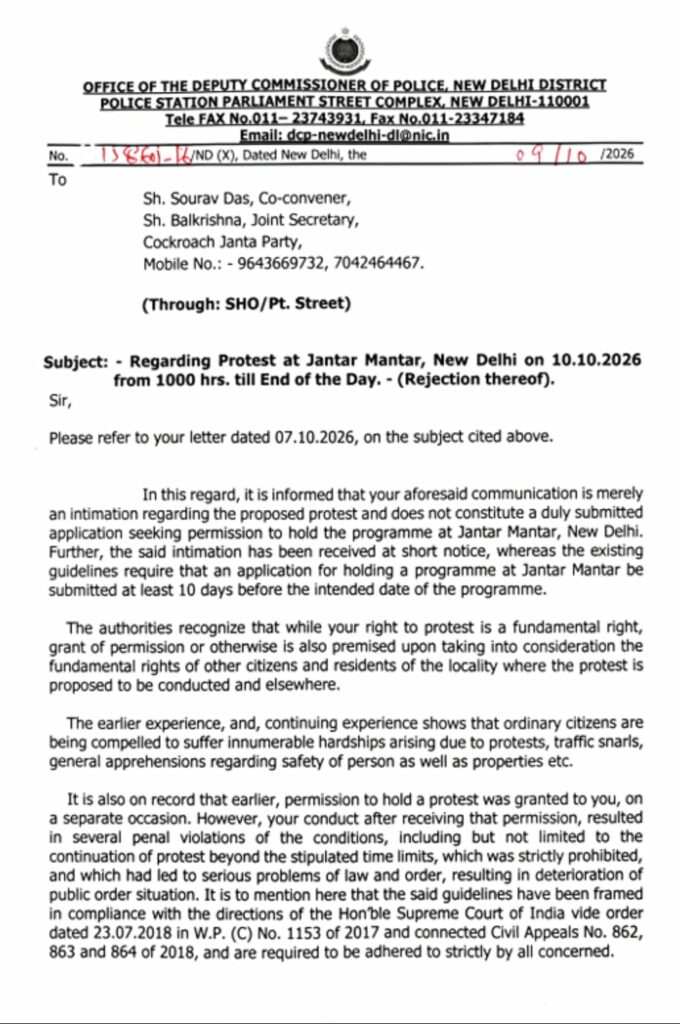
दिल्ली प्रदर्शन पर UN की चिंता: कानून-व्यवस्था संभालने में दिल्ली पुलिस की सतर्कता और निर्वाचन आयोग की भूमिका भी चर्चा के केंद्र में

नई दिल्ली | 11 अक्टूबर 2026

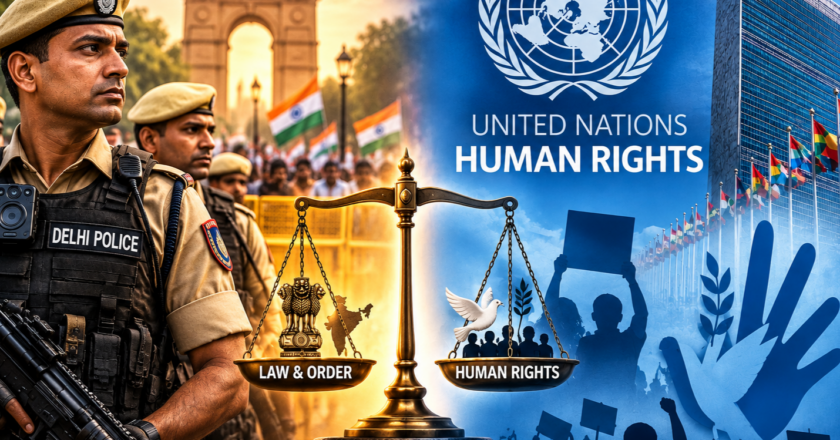
दिल्ली में प्रस्तावित प्रदर्शन को लेकर संयुक्त राष्ट्र के मानवाधिकार कार्यालय की चिंता के बीच दिल्ली पुलिस की सतर्कता, कानून-व्यवस्था बनाए रखने की जिम्मेदारी और निर्वाचन आयोग की भूमिका पर भी चर्चा आवश्यक है। UN ने प्रदर्शनकारियों की कथित सामूहिक हिरासत पर चिंता जताते हुए शांतिपूर्ण सभा के अधिकार का सम्मान करने, पुलिस से संयम बरतने और मनमाने ढंग से हिरासत में लिए गए लोगों को रिहा करने की अपील की है।

मानवाधिकार किसी भी लोकतांत्रिक व्यवस्था का महत्वपूर्ण आधार हैं। हालांकि, पूरे घटनाक्रम का निष्पक्ष मूल्यांकन करते समय पुलिस के सामने मौजूद चुनौतियों, प्रदर्शन की अनुमति से जुड़े विवाद और आयोजकों की जिम्मेदारियों को भी ध्यान में रखना जरूरी है।

भारत ने UN मानवाधिकार कार्यालय की टिप्पणी को बताया अनुचित हस्तक्षेप

दिल्ली में प्रदर्शन के दौरान हिरासत में लिए जाने की घटनाओं पर संयुक्त राष्ट्र मानवाधिकार कार्यालय (OHCHR) की चिंता के बाद भारत ने कड़ा जवाब दिया है। जिनेवा स्थित संयुक्त राष्ट्र में भारत के स्थायी मिशन ने अपने आधिकारिक बयान में UN की टिप्पणियों को “गलत आकलन” बताते हुए भारत के आंतरिक मामलों में अनुचित हस्तक्षेप करार दिया।

भारत ने स्पष्ट किया कि दुनिया के सबसे बड़े लोकतंत्र में शांतिपूर्ण सभा का अधिकार संविधान द्वारा सुनिश्चित है। देश की मजबूत लोकतांत्रिक संस्थाएं, स्वतंत्र न्यायपालिका और स्वतंत्र मीडिया नागरिकों के अधिकारों की रक्षा करते हैं। हालांकि, भारत ने यह भी रेखांकित किया कि हर लोकतंत्र में सार्वजनिक व्यवस्था बनाए रखने के लिए शांतिपूर्ण सभा के अधिकार पर कानून के तहत उचित प्रतिबंध लागू हो सकते हैं।

भारतीय मिशन के अनुसार, अधिकारी कानून के अनुरूप कार्य करते हैं और जिन नागरिकों को किसी कार्रवाई से शिकायत है, उनके लिए न्यायालयों के दरवाजे खुले हैं। भारत ने कहा कि OHCHR की चिंताएं ऐसे समय में एकतरफा निष्कर्ष जैसी प्रतीत होती हैं, जब घटना की परिस्थितियों, पुलिस के सामने मौजूद चुनौतियों और कानूनी प्रक्रिया के सभी पहलुओं को देखना आवश्यक है।

भारत ने UN मानवाधिकार कार्यालय से यह भी अपेक्षा जताई कि वह दुनिया के अन्य हिस्सों में होने वाले बड़े प्रदर्शनों पर भी समान गंभीरता से ध्यान दे। भारत के अनुसार, मानवाधिकार संस्थाओं के कामकाज में निष्पक्षता और चयनात्मक रवैये से बचना महत्वपूर्ण है।

यह प्रतिक्रिया दिल्ली पुलिस की भूमिका पर चल रही बहस को एक व्यापक संदर्भ देती है। पुलिस को सार्वजनिक व्यवस्था बनाए रखने और नागरिकों की सुरक्षा सुनिश्चित करने की जिम्मेदारी निभानी होती है। वहीं, हिरासत से संबंधित प्रत्येक मामले का कानूनी आधार और कार्रवाई की आनुपातिकता भी तथ्यों के आधार पर जांची जानी चाहिए।

भारत का मुख्य तर्क स्पष्ट है: शांतिपूर्ण प्रदर्शन का संवैधानिक अधिकार सुरक्षित है, लेकिन उसका प्रयोग कानून के दायरे में होना चाहिए। साथ ही, किसी भी पुलिस कार्रवाई का मूल्यांकन पूरी परिस्थिति, उपलब्ध साक्ष्यों और न्यायिक समीक्षा की संभावनाओं को ध्यान में रखकर किया जाना चाहिए।

दिल्ली पुलिस ने प्रस्तावित प्रदर्शन की अनुमति देने से इनकार किया था, इसके पीछे आवेदन कम समय पहले दिया जाना और पिछले प्रदर्शन के दौरान शर्तों के कथित उल्लंघन जैसे कारण बताए गए थे। ऐसी परिस्थितियों में पुलिस के सामने सार्वजनिक व्यवस्था बनाए रखने, यातायात प्रबंधन और संभावित अप्रिय घटनाओं से निपटने के लिए सतर्क रहने की चुनौती थी।

सतर्कता और तैयारी के लिए दिल्ली पुलिस की भूमिका महत्वपूर्ण

बड़े सार्वजनिक प्रदर्शनों के दौरान पुलिस की जिम्मेदारी केवल भीड़ को नियंत्रित करने तक सीमित नहीं होती। आम नागरिकों की सुरक्षा, आपातकालीन सेवाओं की आवाजाही, यातायात व्यवस्था और सार्वजनिक संपत्ति की सुरक्षा भी उसके कर्तव्यों का हिस्सा हैं।

प्रदर्शन ड्यूटी पर तैनात पुलिसकर्मियों के लिए बॉडी-वॉर्न कैमरों के इस्तेमाल की खबरें पारदर्शिता की दिशा में एक महत्वपूर्ण कदम हैं। इन कैमरों की रिकॉर्डिंग से पुलिस और प्रदर्शनकारियों के बीच हुई बातचीत तथा घटनाओं के क्रम को समझने में सहायता मिल सकती है। किसी शिकायत की स्थिति में संबंधित फुटेज जांच के लिए उपयोगी साक्ष्य उपलब्ध करा सकती है।

तनावपूर्ण परिस्थितियों में स्पष्ट निर्देश देना, सम्मानजनक भाषा का इस्तेमाल करना और अनावश्यक टकराव से बचना पेशेवर पुलिसिंग के महत्वपूर्ण मानक हैं। जहां उपलब्ध साक्ष्य इन मानकों के पालन की पुष्टि करते हैं, वहां पुलिस के कार्य की उचित सराहना होनी चाहिए।

दिल्ली पुलिस की जिम्मेदारी कानून-व्यवस्था बनाए रखने के साथ-साथ सभी नागरिकों की सुरक्षा सुनिश्चित करना भी थी। संभावित चुनौतियों के बीच सतर्क रहना और परिस्थितियों के अनुसार कार्रवाई के लिए तैयार रहना पुलिस के कर्तव्यों का महत्वपूर्ण हिस्सा है।

UN के बयान में पूरे घटनाक्रम के संदर्भ पर भी विचार जरूरीसंयुक्त राष्ट्र के मानवाधिकार कार्यालय ने शांतिपूर्ण प्रदर्शन के अधिकार और मनमानी हिरासत से सुरक्षा पर जोर दिया है। इन चिंताओं पर विचार किया जाना चाहिए। साथ ही, प्रदर्शन की अनुमति क्यों नहीं दी गई, आयोजकों को क्या निर्देश दिए गए और पुलिस किन परिस्थितियों में अपनी जिम्मेदारियां निभा रही थी, इन पहलुओं को भी समझना आवश्यक है।

दिल्ली पुलिस ने कम समय पहले आवेदन किए जाने और पिछले प्रदर्शन के दौरान शर्तों के कथित उल्लंघन का हवाला देते हुए प्रस्तावित प्रदर्शन की अनुमति देने से इनकार किया था।

हालांकि, अनुमति नहीं मिलने का अर्थ यह नहीं है कि प्रदर्शन में शामिल प्रत्येक व्यक्ति ने अपराध किया। इसी तरह, बड़ी संख्या में लोगों की मौजूदगी मात्र से यह निष्कर्ष भी नहीं निकाला जा सकता कि पुलिस की कार्रवाई अनुचित या गैरकानूनी थी।

महत्वपूर्ण सवाल यह हैं कि क्या पुलिस ने कानून के अनुसार कार्रवाई की, क्या उठाए गए कदम आवश्यक और परिस्थितियों के अनुपात में थे तथा क्या प्रत्येक हिरासत के लिए वैध कानूनी आधार मौजूद था। इन सवालों का उत्तर तथ्यों और साक्ष्यों के आधार पर दिया जाना चाहिए।

UN की चिंताओं के साथ-साथ पुलिस द्वारा बताए गए कारणों और उपलब्ध साक्ष्यों पर विचार करना भी जरूरी है। लोकतंत्र में मानवाधिकारों की रक्षा और कानून-व्यवस्था बनाए रखना परस्पर विरोधी नहीं, बल्कि एक-दूसरे के पूरक दायित्व हैं।

अभिजीत दीपके के मामले में मानवीय पहलू

CJP संस्थापक अभिजीत दीपके से जुड़ा घटनाक्रम भी पुलिस की भूमिका के आकलन में प्रासंगिक है।

उपलब्ध जानकारी के अनुसार, महाराष्ट्र के हिंगोली जिले स्थित उनके गांव में उनकी दादी के निधन की सूचना मिलने के बाद उन्हें मानवीय आधार पर रिहा किया गया, ताकि वे परिवार के अंतिम संस्कार में शामिल हो सकें।

यदि विश्वसनीय स्रोतों से इसकी पुष्टि होती है, तो यह घटनाक्रम कानून-व्यवस्था से जुड़ी कार्रवाई के दौरान व्यक्तिगत और मानवीय परिस्थितियों पर विचार किए जाने को दर्शाता है। पुलिस के कामकाज का मूल्यांकन करते समय ऐसे पहलुओं को भी उचित स्थान मिलना चाहिए।हालांकि, किसी एक मामले में मानवीय आधार पर राहत दिए जाने से अन्य लोगों की हिरासत की वैधता स्वतः साबित नहीं होती। प्रत्येक मामले का आकलन उसके तथ्यों और कानूनी आधार पर किया जाना चाहिए।

आयोजकों की जिम्मेदारी भी उतनी ही महत्वपूर्ण

सार्वजनिक प्रदर्शनों को शांतिपूर्ण और व्यवस्थित बनाए रखने के लिए आयोजकों तथा पुलिस के बीच सहयोग आवश्यक है। आयोजकों की जिम्मेदारी है कि वे लागू प्रक्रियाओं का पालन करें, अधिकारियों के साथ समन्वय बनाए रखें और अव्यवस्था रोकने के लिए उचित कदम उठाएं।

दूसरी ओर, पुलिस को कानून के अनुरूप और परिस्थितियों के अनुपात में कार्रवाई करनी चाहिए।

यदि सार्वजनिक संपत्ति को नुकसान पहुंचाने, यातायात बाधित करने या अन्य अपराधों के संबंध में पर्याप्त साक्ष्य मिलते हैं, तो जांच के बाद कानून के अनुसार कार्रवाई होनी चाहिए। लेकिन किसी आरोप को बिना प्रमाण के स्थापित तथ्य के रूप में प्रस्तुत करना उचित नहीं है।

इसी प्रकार, केवल ऐसे प्रदर्शन में शामिल होने के कारण किसी शांतिपूर्ण प्रतिभागी को अपराधी नहीं माना जा सकता, जिसकी अनुमति नहीं दी गई थी। प्रत्येक व्यक्ति के आचरण और उसके विरुद्ध कार्रवाई के कानूनी आधार को अलग-अलग देखना आवश्यक है।

पुलिस की चुनौतियों को समझना और उसकी कार्रवाई की समीक्षा करना एक-दूसरे के विरोधी नहीं हैं। कानून के शासन में दोनों का समान महत्व है।

124 पूर्व अधिकारियों और 42 पूर्व न्यायाधीशों ने किया निर्वाचन आयोग का समर्थनमतदाता सूची के विशेष गहन पुनरीक्षण (SIR) को लेकर जारी विवाद के बीच कई पूर्व वरिष्ठ अधिकारियों और न्यायाधीशों ने निर्वाचन आयोग की भूमिका तथा संवैधानिक जिम्मेदारियों का समर्थन किया है।मीडिया रिपोर्टों के अनुसार, 124 पूर्व IAS, IFS और अन्य सेवाओं के अधिकारियों ने निर्वाचन आयोग तथा SIR प्रक्रिया के समर्थन में एक खुला पत्र जारी किया। इससे पहले 42 पूर्व न्यायाधीशों ने भी निर्वाचन आयोग के समर्थन में अपनी राय रखी थी। रिपोर्टों के अनुसार, इनमें सर्वोच्च न्यायालय के पूर्व न्यायाधीश भी शामिल थे।इन पत्रों में व्यक्त विचार इस बहस का एक महत्वपूर्ण पक्ष प्रस्तुत करते हैं। हस्ताक्षरकर्ताओं ने निर्वाचन आयोग की भूमिका और मतदाता सूची पुनरीक्षण प्रक्रिया का समर्थन करते हुए संवैधानिक संस्थाओं के प्रति विश्वास बनाए रखने की आवश्यकता पर जोर दिया।

इन पत्रों को उनके हस्ताक्षरकर्ताओं की राय के रूप में देखा जाना चाहिए। वे अपने आप में न्यायपालिका या सभी पूर्व अधिकारियों की सर्वसम्मत राय का प्रमाण नहीं हैं। फिर भी, वे यह दर्शाते हैं कि SIR और निर्वाचन आयोग की भूमिका पर सार्वजनिक बहस में संस्थागत समर्थन का पक्ष भी मौजूद है।

SIR का उद्देश्य और मतदाताओं के अधिकारनिर्वाचन आयोग द्वारा मतदाता सूची का विशेष गहन पुनरीक्षण करने का उद्देश्य सूची की सटीकता और विश्वसनीयता में सुधार करना है। इस प्रक्रिया में मृत मतदाताओं के नामों की पहचान, दोहरी प्रविष्टियों का निराकरण तथा स्थान बदल चुके या लागू नियमों के अनुसार अपात्र हो चुके व्यक्तियों की प्रविष्टियों की जांच शामिल हो सकती है।

सटीक मतदाता सूची स्वतंत्र और निष्पक्ष चुनावों के लिए महत्वपूर्ण है। हालांकि, यह सुनिश्चित करना भी उतना ही जरूरी है कि किसी पात्र नागरिक का नाम गलती से न हटे और त्रुटियों को सुधारने के लिए प्रभावी व्यवस्था उपलब्ध हो।

निर्वाचन आयोग की संवैधानिक जिम्मेदारी और प्रक्रिया पर सवाल उठाने का नागरिकों का अधिकार एक-दूसरे के विरोधी नहीं हैं। SIR से संबंधित आरोपों और आपत्तियों का मूल्यांकन आधिकारिक रिकॉर्ड, प्रमाणित मामलों तथा निर्धारित कानूनी प्रक्रियाओं के आधार पर होना चाहिए।मतदाता सूची की शुद्धता सुनिश्चित करना और पात्र नागरिकों के मतदान अधिकारों की रक्षा करना—दोनों लोकतांत्रिक व्यवस्था के महत्वपूर्ण उद्देश्य हैं।

निष्कर्ष: कानून, जवाबदेही और लोकतांत्रिक विश्वासदिल्ली का घटनाक्रम बड़े सार्वजनिक प्रदर्शनों के प्रबंधन की जटिलता को सामने लाता है। पुलिस को कानून-व्यवस्था बनाए रखने और संभावित परिस्थितियों के लिए सतर्क रहने की जिम्मेदारी निभानी होती है, जबकि प्रदर्शन आयोजकों को लागू नियमों और वैध निर्देशों का सम्मान करना चाहिए।

UN की मनमानी हिरासत संबंधी चिंताओं की जांच होनी चाहिए, लेकिन पुलिस द्वारा बताए गए कारणों, उसकी तैयारी और उपलब्ध साक्ष्यों को भी निष्पक्ष रूप से परखा जाना चाहिए। इसी तरह, निर्वाचन आयोग के SIR कार्यक्रम पर बहस तथ्यों, पारदर्शिता और कानूनी प्रक्रियाओं के आधार पर आगे बढ़नी चाहिए।

लोकतंत्र में शांतिपूर्ण विरोध का अधिकार, कानून-व्यवस्था बनाए रखने की जिम्मेदारी और संवैधानिक संस्थाओं की जवाबदेही—तीनों का समान महत्व है। दिल्ली पुलिस की सतर्कता और पेशेवर कार्यप्रणाली का मूल्यांकन तथ्यों के आधार पर होना चाहिए और जहां उसके कार्य की सराहना के प्रमाण हों, उन्हें भी सामने रखा जाना चाहिए। साथ ही, मानवाधिकारों और कानून के शासन के मानक सभी पक्षों पर समान रूप से लागू होने चाहिए।

FSSAI Proposes Ban on Use of ‘Paneer’ Label for Non-Milk Products, Seeks to Prevent Consumer Confusion

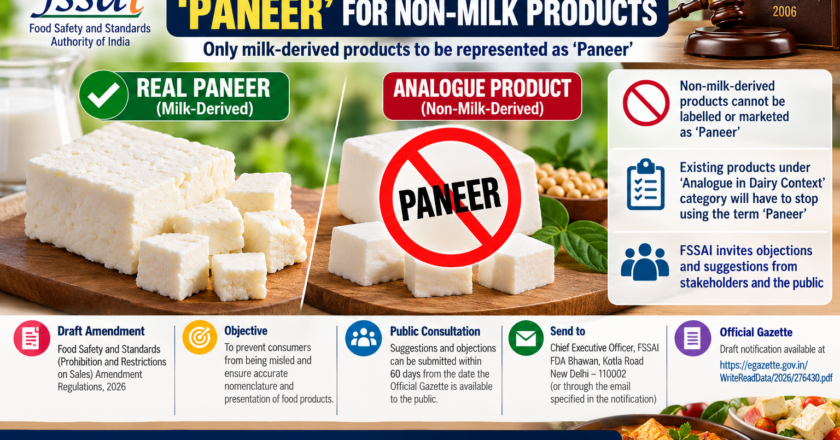
New Delhi, September 24, 2026: The Food Safety and Standards Authority of India (FSSAI) has proposed a significant amendment to food safety regulations aimed at preventing non-milk-derived analogue products from being marketed or labelled as “Paneer.”

The proposed Food Safety and Standards (Prohibition and Restrictions on Sales) Amendment Regulations, 2026 seek to specifically address products described as “paneer” despite being made from constituents that are not derived from milk.

Only milk-derived products to be represented as ‘Paneer’

Under the proposed amendment, a new clause would be inserted under Regulation 2.1.1 of the existing Food Safety and Standards (Prohibition and Restrictions on Sales) Regulations, 2011.

The amendment would cover “paneer made of constituents not derived from milk.” Products that are already licensed or registered under the ‘Analogue in Dairy Context’ category would have to discontinue the use of the term “Paneer” in their nomenclature, labelling and marketing.

The move is aimed at ensuring that consumers can clearly distinguish between genuine milk-derived paneer and products made using non-milk ingredients.

Focus on informed consumer choiceFSSAI’s proposal comes against the backdrop of growing availability of dairy analogues and plant- or non-milk-based products in the food market. While such products may have their own legitimate uses and markets, the proposed regulatory change focuses on how they are described and presented to consumers.

According to FSSAI, the nomenclature and presentation of food products should accurately reflect their nature and composition. The proposed restriction is therefore intended to reduce the possibility of consumers purchasing a non-milk product believing it to be conventional paneer.

Existing analogue products could face labelling changes

An important aspect of the proposal is its impact on products already licensed or registered in the ‘Analogue in Dairy Context’ category. If the amendment is finalised in its proposed form, such products would no longer be able to use “Paneer” as part of their nomenclature, labelling or marketing.

This could require manufacturers and food businesses to review product names, packaging and promotional material to ensure compliance with the amended regulations.

Public invited to submit objections and suggestions

The amendment is still at the draft stage and has not yet become a final regulation. FSSAI has invited objections and suggestions from stakeholders as well as members of the public.

The draft will be considered after the expiry of 60 days from the date copies of the relevant Official Gazette notification are made available to the public.

Suggestions and objections may be submitted to the Chief Executive Officer, FSSAI, FDA Bhawan, Kotla Road, New Delhi–110002, or through the email address specified in the notification.

What the proposal could mean for consumers

If ultimately notified in its proposed form, the amendment would establish a clearer distinction in the marketplace between milk-derived paneer and non-milk-derived analogue products.

For consumers, the intended effect is straightforward: the name and presentation of a food product should provide a clearer indication of what it actually contains, allowing purchasing decisions to be based on accurate information.

The proposal has been issued by FSSAI with the previous approval of the Central Government under the Food Safety and Standards Act, 2006. The principal Prohibition and Restrictions on Sales Regulations were notified in 2011 and have been amended periodically.

The proposal remains subject to the consultation process, and its final provisions may differ from the draft.

ई-कॉमर्स कंपनियों पर सरकार की सख्ती, 1 जनवरी 2027 से लागू होंगे नए नियम; Search Results से लेकर Sponsored Listings तक बदले नियम

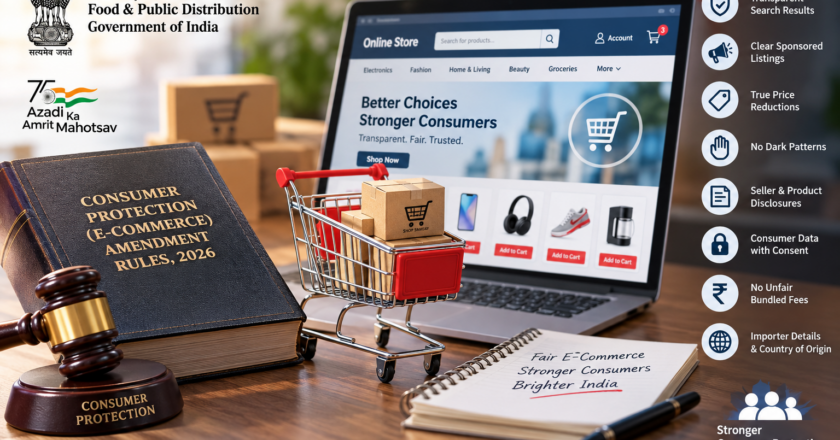
नई दिल्ली, 10 सितंबर 2026: ऑनलाइन खरीदारी करने वाले करोड़ों उपभोक्ताओं के हितों को मजबूत करने के लिए केंद्र सरकार ने ई-कॉमर्स क्षेत्र के नियमों में महत्वपूर्ण बदलाव किए हैं। उपभोक्ता मामलों के मंत्रालय ने Consumer Protection (E-Commerce) (Amendment) Rules, 2026 को अधिसूचित किया है। नए नियम 1 जनवरी 2027 से लागू होंगे।

सरकार का कहना है कि इन संशोधनों का उद्देश्य डिजिटल बाजार में उपभोक्ताओं को अधिक पारदर्शिता, जवाबदेही और निष्पक्ष व्यवहार सुनिश्चित करना है। साथ ही, ई-कॉमर्स कंपनियों के लिए कारोबार करने में आसानी और उपभोक्ता हितों के बीच संतुलन बनाए रखने की कोशिश की गई है।

शिकायतों के निपटारे में बढ़ेगी जवाबदेही

नए नियमों के तहत प्रत्येक ई-कॉमर्स कंपनी को राष्ट्रीय उपभोक्ता हेल्पलाइन (NCH) की कन्वर्जेंस प्रक्रिया का हिस्सा बनना होगा। इससे ऑनलाइन प्लेटफॉर्म और राष्ट्रीय उपभोक्ता शिकायत निवारण व्यवस्था के बीच बेहतर समन्वय की उम्मीद है।

सरकार के मुताबिक, वर्ष 2025 में NCH को कुल 17,71,622 शिकायतें मिलीं। इनमें 5,11,196 शिकायतें यानी करीब 29 प्रतिशत ई-कॉमर्स क्षेत्र से संबंधित थीं।

इसके अलावा, कंपनी के शिकायत अधिकारी के पास दर्ज की गई शिकायत की एक प्रति शिकायतकर्ता को उपलब्ध कराना भी अनिवार्य होगा।

Search Results में नहीं चलेगा खेल

नए नियमों के तहत ई-कॉमर्स कंपनियां ऐसे तरीके से Search Results को प्रभावित नहीं कर सकेंगी, जिससे उपभोक्ता गुमराह हो या उसके सर्च से संबंधित परिणामों की प्रासंगिकता प्रभावित हो।इसका उद्देश्य ऐसे डिजिटल तरीकों पर रोक लगाना है, जिनसे उपभोक्ता को किसी खास उत्पाद या सेवा की ओर अनुचित तरीके से निर्देशित किया जाता है।

Sponsored Products की पहचान होगी जरूरी

ऑनलाइन प्लेटफॉर्म पर दिखाई देने वाले Sponsored Listings को स्पष्ट और प्रमुख तरीके से चिह्नित करना होगा। यानी उपभोक्ता को यह समझने में आसानी होनी चाहिए कि कोई उत्पाद सामान्य सर्च रिजल्ट का हिस्सा है या भुगतान किए गए प्रचार के कारण ऊपर दिखाया जा रहा है।

Discount का दावा तो पुरानी कीमत भी दिखानी होगी

कीमतों में कटौती दिखाने वाले ऑफर्स के लिए भी नए नियम महत्वपूर्ण हैं। जब किसी वस्तु या सेवा पर Price Reduction का दावा किया जाएगा, तो नई कीमत के साथ पिछली कीमत भी प्रदर्शित करनी होगी।

नियमों के अनुसार, ‘Prior Price’ वह सबसे कम कीमत होगी जिस पर संबंधित वस्तु या सेवा को छूट की घोषणा से पहले के 30 दिनों के दौरान पेश किया गया था।

इससे कथित तौर पर बढ़ी हुई पुरानी कीमत दिखाकर बड़ी छूट का भ्रम पैदा करने जैसी प्रथाओं पर अंकुश लगाने में मदद मिलेगी।

Dark Patterns पर भी सख्ती

ई-कॉमर्स कंपनियों को Dark Patterns की रोकथाम और विनियमन के लिए 2023 में जारी दिशानिर्देशों का पालन करना होगा।

इसके साथ कंपनियों को हर साल Self-Audit करना होगा और अनुपालन का प्रमाणपत्र प्रमुखता से प्रदर्शित करना होगा।

Dark Patterns में ऐसे डिजिटल डिजाइन और तकनीकें शामिल होती हैं, जिनका इस्तेमाल उपभोक्ता के निर्णय को प्रभावित करने या उसे ऐसे विकल्प चुनने के लिए प्रेरित करने में किया जाता है, जिन्हें वह सामान्य परिस्थितियों में शायद न चुनता।

Product और Seller की जानकारी देना होगा

Marketplace ई-कॉमर्स कंपनियों को उपभोक्ताओं को उत्पाद और विक्रेता से संबंधित महत्वपूर्ण जानकारी उपलब्ध करानी होगी।

इसमें Best Before/Use Before Date, Return और Refund की शर्तें, Warranty, Delivery और Payment से जुड़ी जानकारी शामिल है।

इसका उद्देश्य खरीदारी से पहले उपभोक्ताओं को पर्याप्त जानकारी उपलब्ध कराना है, ताकि वे अधिक सूचित निर्णय ले सकें।

Consumer Data के इस्तेमाल पर भी नियम

नए प्रावधानों के तहत Marketplace ई-कॉमर्स कंपनियां उपभोक्ता की जानकारी का कुछ निर्धारित उद्देश्यों के लिए इस्तेमाल स्पष्ट और सकारात्मक सहमति (Express and Affirmative Consent) के बिना नहीं कर सकेंगी।

अलग सेवाओं के नाम पर Bundled Fees पर रोक

Marketplace प्लेटफॉर्म ऐसी सेवाओं के लिए Bundled Fees नहीं वसूल सकेंगे, जो ई-कॉमर्स प्लेटफॉर्म से संबंधित नहीं हैं। हालांकि, निर्धारित शर्तों के अधीन Loyalty या Membership Programmes को अपवाद दिया गया है।

Imported Products पर Country of Origin बताना अनिवार्य

आयातित वस्तुओं के मामले में Importer की जानकारी और Country of Origin का खुलासा करना होगा। इससे उपभोक्ता को यह जानने में मदद मिलेगी कि उत्पाद किस देश का है और उसे भारत में किस आयातक के माध्यम से उपलब्ध कराया जा रहा है।

1 जनवरी 2027 से लागू होंगे नए नियम

सरकार के अनुसार, Consumer Protection (E-Commerce) Rules, 2020 पहले से ही ई-कॉमर्स क्षेत्र में उपभोक्ताओं को अनुचित व्यापारिक प्रथाओं से सुरक्षा देने के लिए नियामक ढांचा प्रदान करते हैं। 2026 के संशोधन डिजिटल बाजार में बदलते बिजनेस मॉडल और उपभोक्ताओं की बदलती अपेक्षाओं को ध्यान में रखते हुए किए गए हैं।

सरकार का लक्ष्य ई-कॉमर्स क्षेत्र में पारदर्शिता, जवाबदेही और निष्पक्ष व्यापार को बढ़ावा देना है, ताकि डिजिटल बाजार का विस्तार उपभोक्ता हितों की कीमत पर न हो।

नए Consumer Protection (E-Commerce) (Amendment) Rules, 2026 देशभर में 1 जनवरी 2027 से प्रभावी होंगे।

NHRC Takes Cognizance of Unsafe Drinking Water Across States, Calls It Human Rights Violation

Updated : January 23, 2026

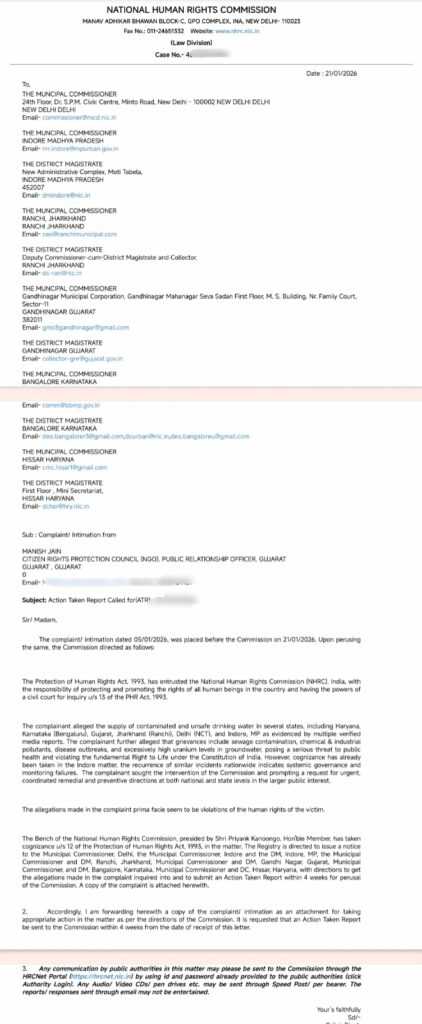
The National Human Rights Commission (NHRC) has taken cognizance of serious concern related to the supply of contaminated and unsafe drinking water in multiple Indian states, observing that the issue amounts to a prima facie violation of human rights and the constitutional Right to Life.

The Commission has issued notices to senior municipal and district authorities in Delhi (NCT), Indore (Madhya Pradesh), Ranchi (Jharkhand), Gandhinagar (Gujarat), Bengaluru (Karnataka), and Hisar (Haryana), directing them to conduct inquiries and submit Action Taken Reports (ATRs) within four weeks.


Clean Drinking Water Integral to Right to Life: NHRC

In its order dated 21 January 2026, the NHRC noted that access to safe and potable drinking water is inseparable from human dignity, public health, and survival.

The complaint placed before the Commission referred to multiple verified media reports highlighting:

  • Sewage contamination in drinking water supply
  • Chemical and industrial pollutants
  • Outbreaks of waterborne diseases
  • Excessively high uranium levels in groundwater

The Commission observed that such conditions pose a grave threat to public health, particularly affecting children, elderly persons, and economically vulnerable communities.


Pattern of Failures, Not Isolated Incidents

While acknowledging that cognizance had already been taken earlier in an Indore-related matter, the NHRC stated that the recurrence of similar incidents across different states indicates systemic governance and monitoring failures.

The Commission emphasized that repeated lapses by civic bodies and district administrations reflect deeper issues in regulation, infrastructure maintenance, and accountability mechanisms.


Cognizance Taken Under Protection of Human Rights Act

The matter was considered by the NHRC Bench presided over by Hon’ble Member Shri Priyank Kanoongo. The Commission took cognizance under Section 12 of the Protection of Human Rights Act, 1993, and reiterated that it has the powers of a civil court under Section 13 to inquire into such violations.

Notices have been issued to Municipal Commissioners and District Magistrates of all concerned regions, directing them to personally ensure inquiry, corrective steps, and preventive measures.


Citizen Rights Protection Council (NGO) Brings Issue to NHRC

The issue was raised by Manish, public relationship officer Gujarat, highlighting the nationwide scale of the drinking water crisis.

CRPC presented media reports suggesting that unsafe water supply is no longer an isolated civic failure but a widespread public health and human rights concern, requiring urgent intervention at both state and national levels.

The involvement of the Citizen Rights Protection Council underscores the role of civil society in flagging systemic issues and ensuring that citizens’ grievances reach constitutional oversight bodies.

“Recurring incidents of polluted water supply across multiple states point to institutional neglect, not isolated errors, and demand urgent corrective and preventive action.”

Manish Jain PRO State

Strict Reporting Mechanism Ordered

The NHRC has directed that:

  • All inquiries must be conducted promptly
  • Concrete remedial and preventive steps must be initiated
  • Action Taken Reports must be submitted only through the HRCNet Portal / Speed post.

A Strong Signal on Public Health Accountability

Human rights experts say the NHRC’s intervention reinforces the principle that failure to provide safe drinking water is not merely administrative negligence but a violation of human rights.

As authorities across multiple states prepare their responses, the case is being closely watched as a potential benchmark for treating environmental and public health failures through a human rights accountability framework.