NPPA Approves 30% Trade Margin Cap on 137 Anti-Cancer Drugs; Revised Prices to Take Effect from November 9

Move under DPCO, 2013 aims to curb excessive trade mark-ups, improve affordability and ensure uninterrupted availability of essential cancer medicines

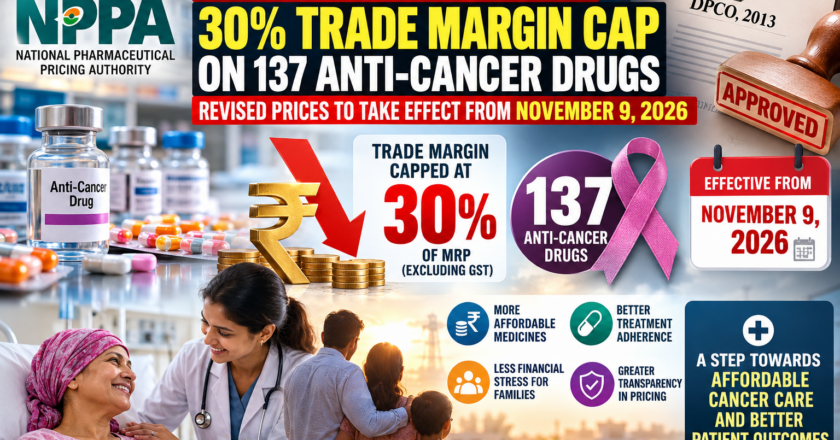
The National Pharmaceutical Pricing Authority (NPPA) has approved a trade margin rationalisation (TMR) mechanism for 137 non-scheduled anti-cancer drugs, capping trade margins at 30% of the maximum retail price (MRP), excluding GST. The revised prices will come into effect from November 9, 2026, and remain in force until further orders.

The revised prices of the identified non-scheduled anti-cancer drugs are expected to decrease by up to 70%, depending on their existing price structures. However, the actual reduction will vary from medicine to medicine.
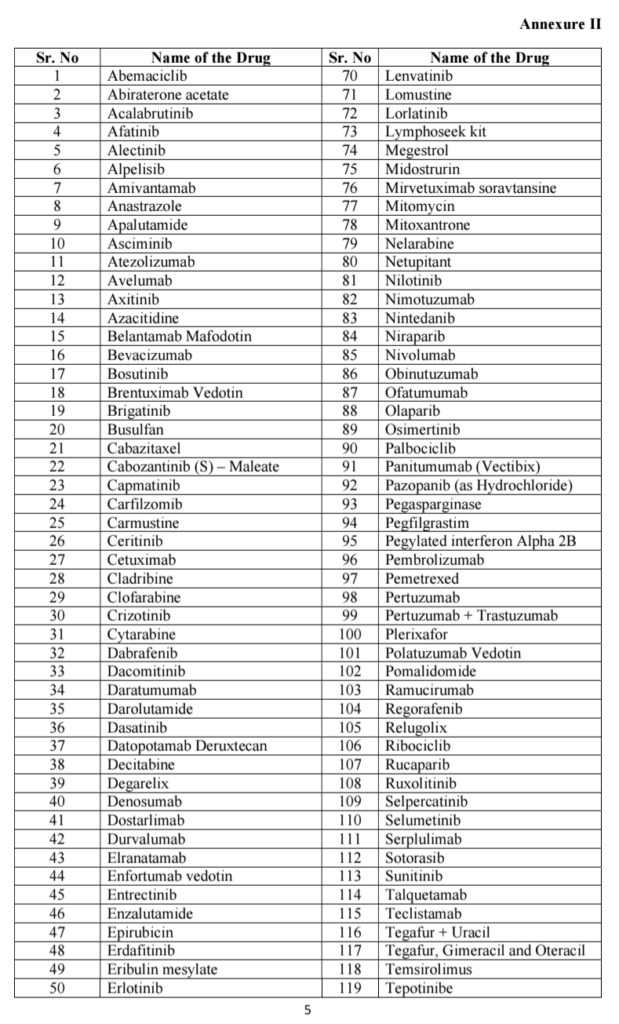
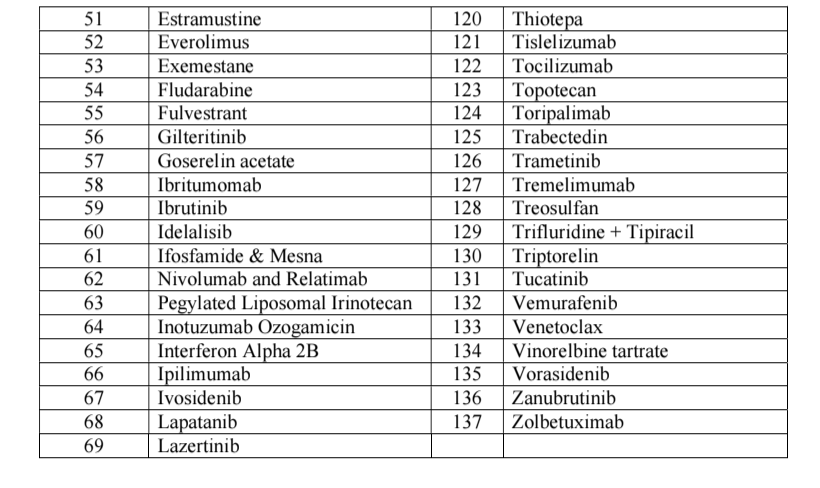
The decision was taken at the Authority’s 284th overall and 152nd meetings under the Drugs (Prices Control) Order (DPCO), 2013, held on October 16 and 17, 2026, under the chairmanship of Manoj Joshi, Secretary, Department of Pharmaceuticals and Chairman of NPPA.

The intervention will be implemented under Paragraph 19 of DPCO, 2013, which empowers the government to take action in extraordinary circumstances in the public interest.

Price cap to curb excessive trade mark-ups

According to the meeting minutes, the Authority considered the need to address excessive trade mark-ups on non-scheduled anti-cancer medicines, citing market evidence, public-health concerns and the precedent set by a similar intervention in 2019.

The Authority decided to limit the trade margin to 30% of the MRP, excluding GST. This corresponds to a mark-up of 42.86% on the price to stockist or price to distributor (PTS/PTD), allowing a reasonable margin for the trade while seeking to prevent excessive increases in retail prices.

The measure follows deliberations at the Authority’s previous meeting on October 8, 2026, and is based on recommendations from an expert committee of the Ministry of Health and Family Welfare, which identified 137 anti-cancer drugs for inclusion in the exercise.

The 137 identified medicines include immunotherapy drugs used to treat more than 20 types of cancer, as well as Denosumab, used by breast and prostate cancer patients; Pegfilgrastim, used to prevent neutropenia in cancer patients; and Bevacizumab, approved for the treatment of certain cancers, including colorectal, ovarian and cervical cancer. The PIB release also highlighted medicines such as Pembrolizumab, Durvalumab and Osimertinib, whose revised MRPs are expected to improve affordability for cancer patients.

March 2026 prices to serve as the reference

NPPA has approved a mechanism for calculating revised MRPs using PTS/PTD data for March 2026 as the reference.

The PTS/PTD will be calculated by dividing the manufacturer’s net sales realisation for the relevant product during the reference month by the total quantity sold. If a manufacturer recorded no sales during March 2026, the calculation will use sales data for the period from April 2025 to March 2026.

All categories of sales will be considered, except government sales.

For formulations launched after March 31, 2026, the revised MRP will be calculated using the current PTS/PTD. Where manufacturers supply medicines directly to hospitals or medical institutions, the institutions will be treated as stockists or distributors, and the manufacturer’s invoice data will be used for the calculation.

Higher-priced formulations must be reduced

Manufacturers selling branded or generic versions of the covered medicines at prices above the newly calculated MRP will be required to reduce their prices accordingly. Where an existing MRP is lower than the calculated price, the lower price must be maintained.

The order will also cover patented medicines, except where an exemption has been approved under Paragraph 32 of DPCO, 2013.

The price-control mechanism will apply to non-scheduled formulations containing any of the listed drugs, whether used individually or in combination. Its coverage will extend across strengths, dosage forms and routes of administration, including formulations used for therapeutic indications other than cancer.

Following publication of the notification in the Official Gazette, earlier price orders fixing ceiling prices or retail prices under the relevant provisions of DPCO, 2013, where applicable, will stand superseded as specified in the order.

Manufacturers given seven days to submit revised prices

Manufacturers will have seven days from publication of the order in the Official Gazette to submit revised MRP information to NPPA and the concerned State Drug Controller, whether or not the MRP changes.

Consumers can check the revised prices of medicines through the NPPA website and the Pharma Sahi Daam mobile application. Manufacturers must disseminate revised price lists to retailers and hospitals, while hospitals are required to ensure that the applicable reduced prices are implemented from November 9, 2026.

They must also issue and submit the revised price list in Form V through the Integrated Pharmaceutical Database Management System (IPDMS) and provide copies to State Drug Controllers, dealers and other relevant entities within the same period.

Failure to submit the required information will be treated as non-reduction of MRP and may lead to action to recover overcharged amounts under the applicable provisions of DPCO, 2013.Retailers, dealers, hospitals and medical institutions will be required to prominently display the applicable price lists and supplementary price lists.

Patient assistance programmes receive conditional exemption

The order provides for the exclusion of quantities supplied free of cost to patients under manufacturers’ Patient Assistance Programmes (PAP) from PTS/PTD and MRP calculations for trade-margin capping, subject to specified conditions.Manufacturers will have to furnish an undertaking to NPPA and maintain detailed patient records, including identity and residence documents, disease and prescription details, and records of medicines imported, received and consumed.

The medicines must be used exclusively for the specified purpose. NPPA will retain the authority to seek additional information, conduct audits and inspections, and verify programme implementation. Non-compliance may result in the relevant quantities losing the exemption.

Supply continuity and regulatory monitoringAlongside price regulation, NPPA has emphasised the need to maintain uninterrupted supplies of the covered medicines.

Manufacturers will be required to maintain current production levels. Any manufacturer proposing to reduce average monthly production must obtain prior permission from NPPA. Those intending to discontinue production or imports must submit the prescribed information in Form IV of Schedule II of DPCO, 2013, at least six months before the proposed discontinuation date.

Hospitals and medical institutions, which account for a substantial share of anti-cancer medicine purchases, have also been asked to monitor MRPs and report violations to NPPA.

State Drug Controllers will oversee compliance by manufacturers, dealers, hospitals and medical institutions. NPPA may initiate recovery proceedings in cases of overcharging.

Annual price increases remain subject to the cap

Manufacturers may continue to avail themselves of annual price increases under Paragraph 20(1) of DPCO, 2013, provided they remain compliant with the maximum permissible trade margin specified in the order.

The measure represents a significant regulatory intervention in the non-scheduled anti-cancer medicines segment, seeking to balance reasonable trade margins with patient affordability and reliable medicine supplies.

The revised prices are scheduled to take effect on November 9, 2026, subject to publication of the order in the Official Gazette and the requirements specified therein.

A Step Towards Affordable Cancer Care and Better Patient Outcomes

Beyond price regulation, this decision could bring meaningful relief to cancer patients and their families, who often face substantial financial hardship during prolonged treatment. More affordable medicines may help patients adhere to prescribed treatment, reduce the likelihood of interruptions due to financial constraints, and ease the emotional and economic stress experienced by caregivers. The initiative could also promote greater transparency in medicine pricing and strengthen public confidence in the healthcare system. However, its real impact will depend on effective implementation, actual reductions in the prices of individual medicines, and consistent availability across hospitals, pharmacies and rural healthcare facilities. Ultimately, the move reinforces the principle that access to essential cancer treatment should not be determined solely by a patient’s financial circumstances, but should remain a priority in the pursuit of equitable, compassionate and patient-centred healthcare.

नासिक में जहरीले क्रोमियम का खतरा: क्या 2027 के कुंभ में सुरक्षित होगा गोदावरी का जल?

NCIB News | रिपोर्टर: मनीष जैन

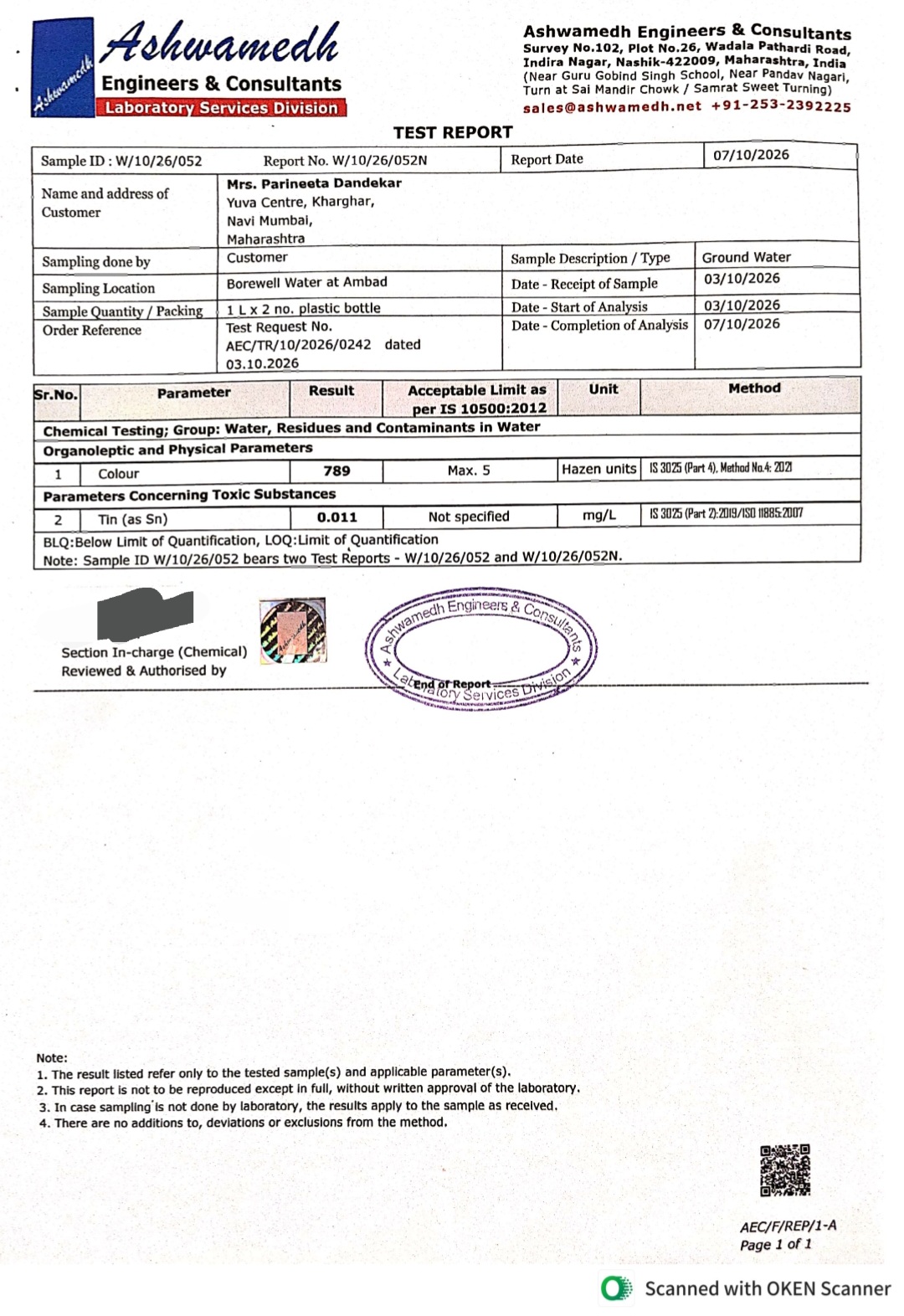
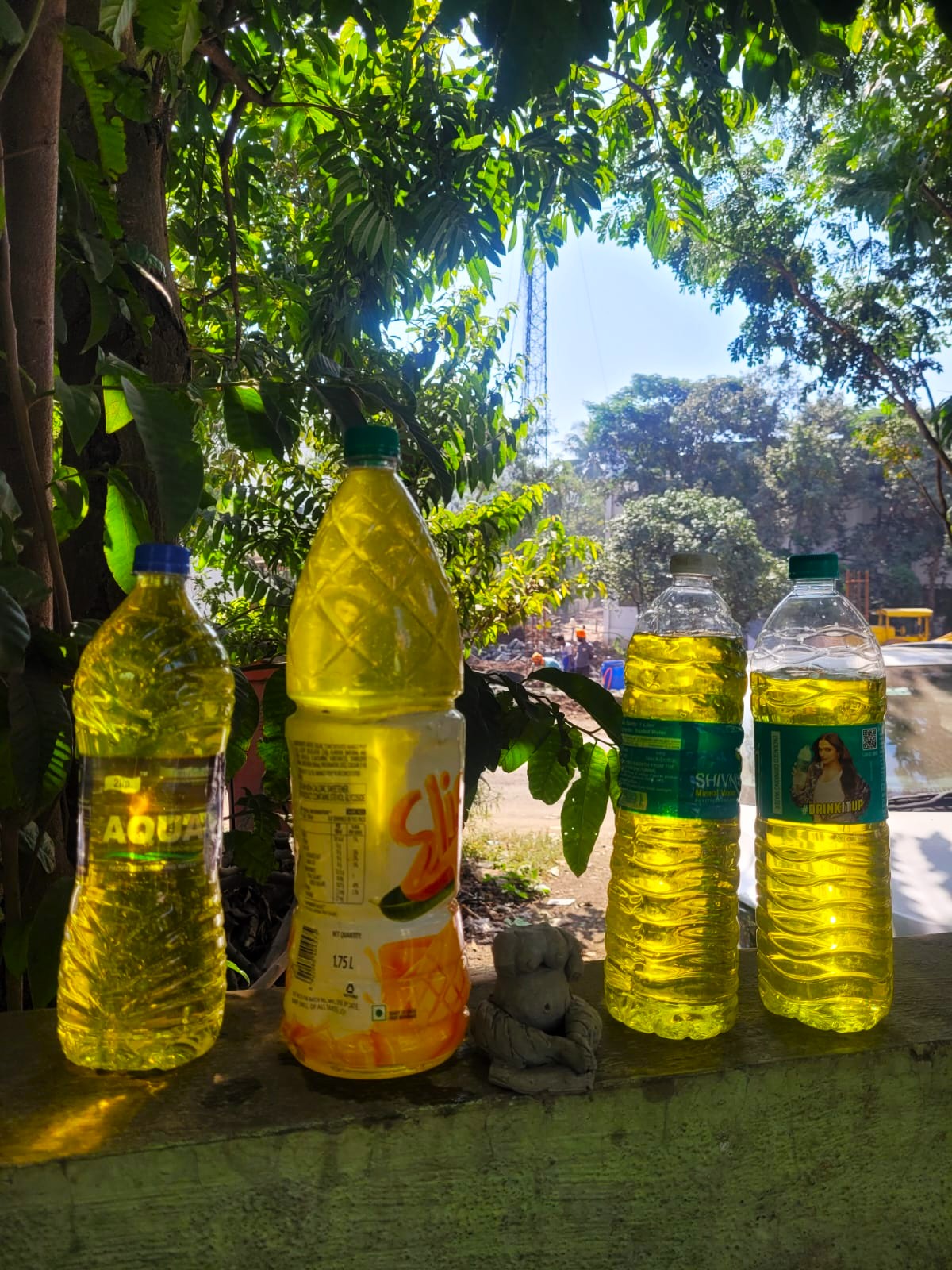
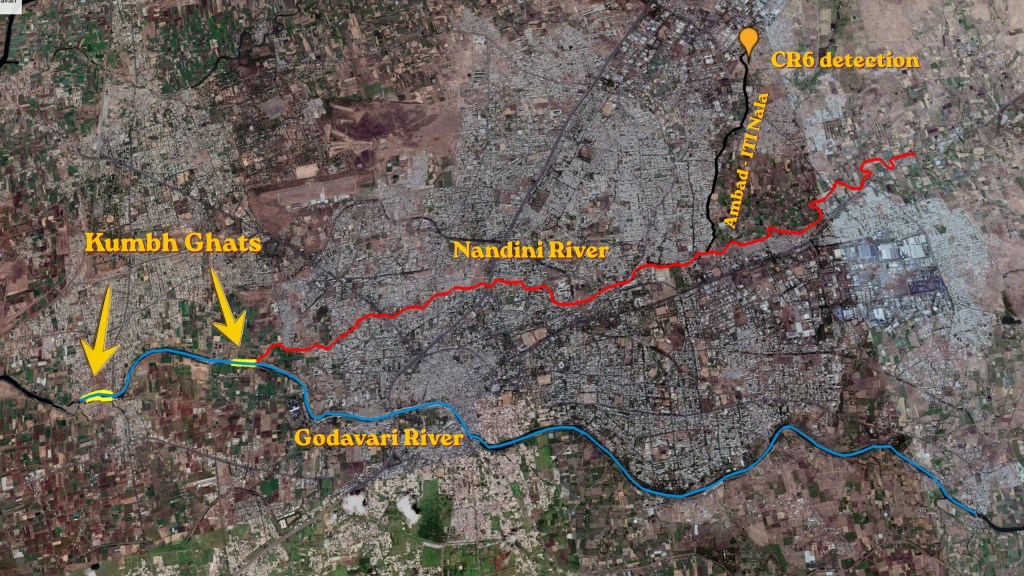
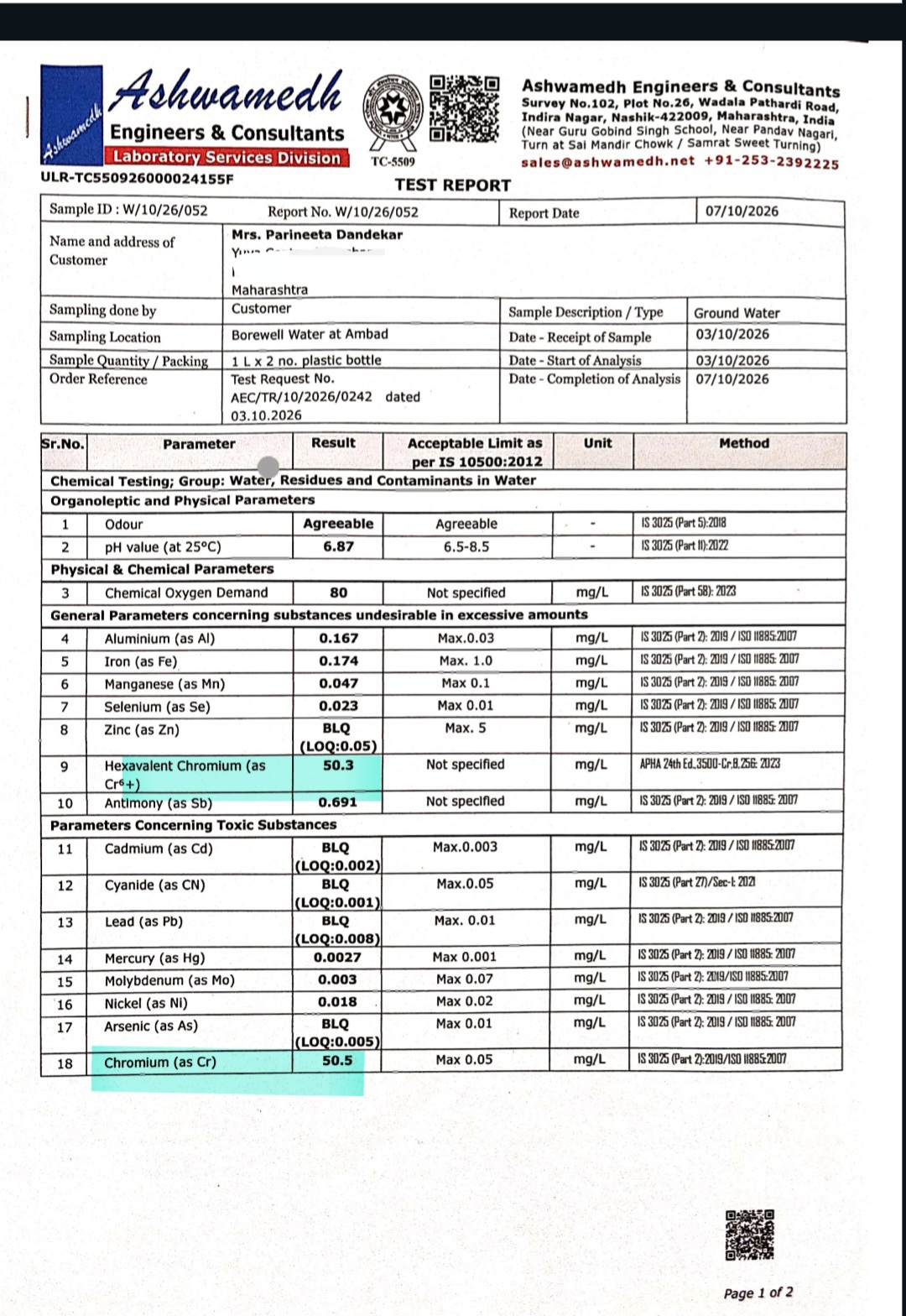
नासिक, 15 अक्टूबर 2026: वर्ष 2027 में प्रस्तावित सिंहस्थ कुंभ मेले से पहले नासिक में भूजल में जहरीले क्रोमियम की अत्यधिक मात्रा मिलने की खबर ने गंभीर चिंता पैदा कर दी है। दक्षिण एशिया नेटवर्क ऑन डैम्स, रिवर्स एंड पीपल (SANDRP) की 8 अक्टूबर 2026 की प्रेस विज्ञप्ति के अनुसार, अंबड औद्योगिक क्षेत्र के दत्तानगर में आवासीय बोरवेल के पानी में क्रोमियम का खतरनाक स्तर पाया गया है। संगठन ने यह भी आरोप लगाया है कि दूषित पानी एक स्थानीय नाले के माध्यम से कुंभ मेले के स्नान घाट के पास गोदावरी नदी में पहुंच रहा है।

प्रेस विज्ञप्ति में प्रस्तुत आंकड़े बेहद चिंताजनक हैं। SANDRP के अनुसार, एक मान्यता प्राप्त प्रयोगशाला में जांच के दौरान पानी में हेक्सावैलेंट क्रोमियम 50.3 मिलीग्राम प्रति लीटर और कुल क्रोमियम 50.5 मिलीग्राम प्रति लीटर पाया गया। कुल क्रोमियम की यह मात्रा भारतीय मानक ब्यूरो (BIS) द्वारा निर्धारित पेयजल की 0.05 मिलीग्राम प्रति लीटर की अधिकतम स्वीकार्य सीमा से लगभग 1,010 गुना अधिक है।

इन निष्कर्षों ने औद्योगिक प्रदूषण पर नियंत्रण, स्थानीय नागरिकों के स्वास्थ्य और आगामी कुंभ मेले में श्रद्धालुओं की सुरक्षा को लेकर गंभीर सवाल खड़े कर दिए हैं। हालांकि, भूजल में दर्ज क्रोमियम की मात्रा को सीधे गोदावरी नदी के पानी की मात्रा नहीं माना जा सकता। नदी और प्रत्येक स्नान घाट की वास्तविक स्थिति का पता प्रयोगशाला जांच से ही लगाया जा सकता है।

बच्चों के शरीर पर छाले और त्वचा पर गंभीर घाव होने की शिकायत

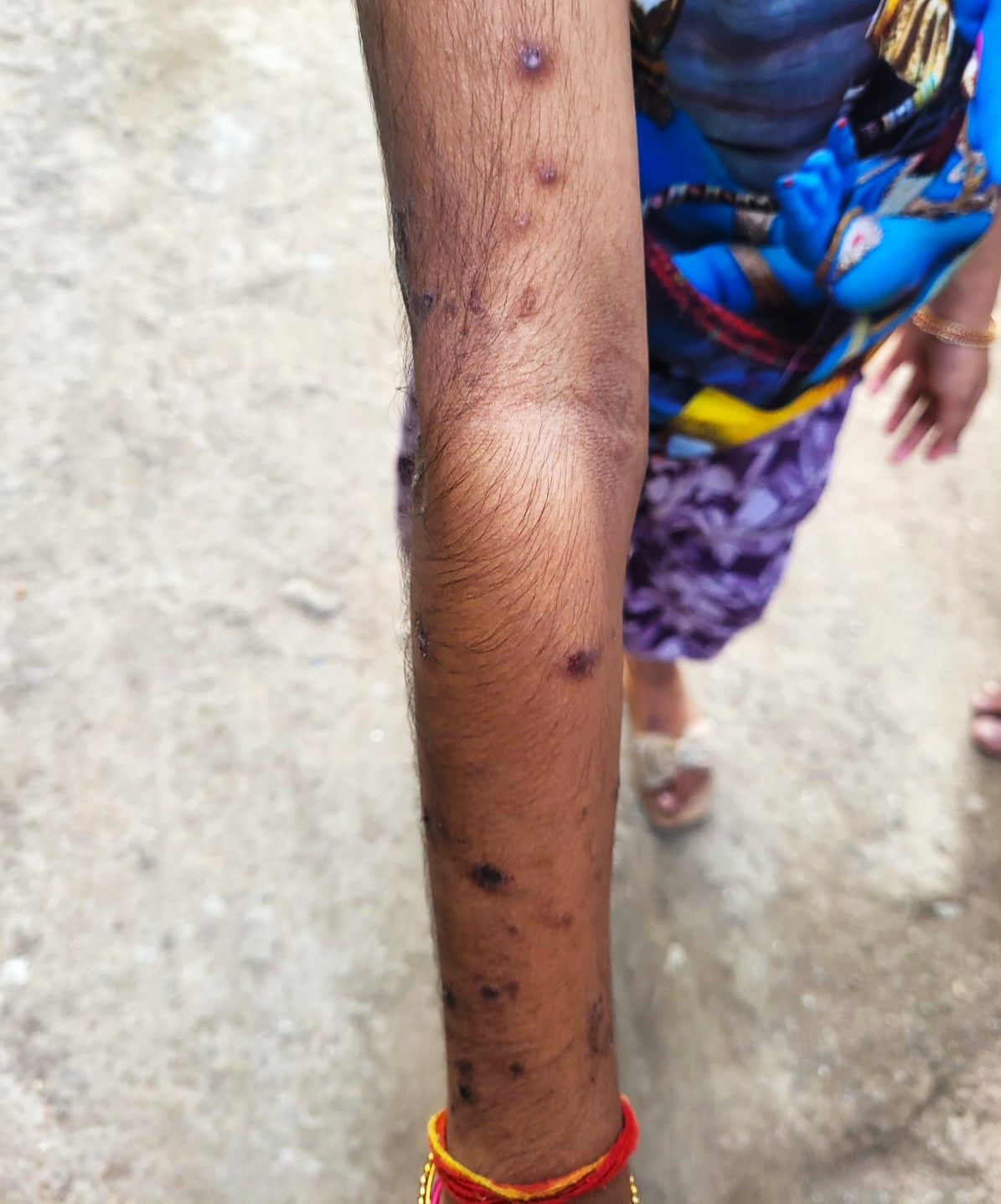
SANDRP की प्रेस विज्ञप्ति के अनुसार, दूषित पानी के संपर्क में आने वाले लोगों ने त्वचा पर चकत्ते, छाले और धीरे-धीरे भरने वाले गहरे घाव होने की शिकायत की है। संगठन ने बच्चों के शरीर पर व्यापक त्वचा संबंधी चोटें देखे जाने का उल्लेख किया है। इसके अलावा, कुछ लोगों में लिम्फ नोड्स में सूजन और अन्य स्वास्थ्य समस्याओं की भी जानकारी दी गई है।

SANDRP का आरोप है कि नगर निगम की ओर से पानी की अपर्याप्त और अनियमित आपूर्ति के कारण कुछ परिवार नहाने, कपड़े धोने और बर्तन साफ करने के लिए भी बोरवेल के पानी पर निर्भर हैं। संगठन के मुताबिक, कुछ कामकाजी परिवार अपनी मासिक आय का लगभग आधा हिस्सा इलाज, घावों की ड्रेसिंग और वैकल्पिक आवास पर खर्च कर रहे हैं।

प्रेस विज्ञप्ति में प्रभावित बस्ती की दो महिलाओं के गर्भपात होने की भी जानकारी दी गई है। हालांकि, इन घटनाओं और क्रोमियम के संपर्क के बीच प्रत्यक्ष कारणात्मक संबंध स्थापित नहीं हुआ है। इसके लिए उचित चिकित्सकीय जांच आवश्यक है।

गोदावरी नदी तक प्रदूषण पहुंचने की आशंका

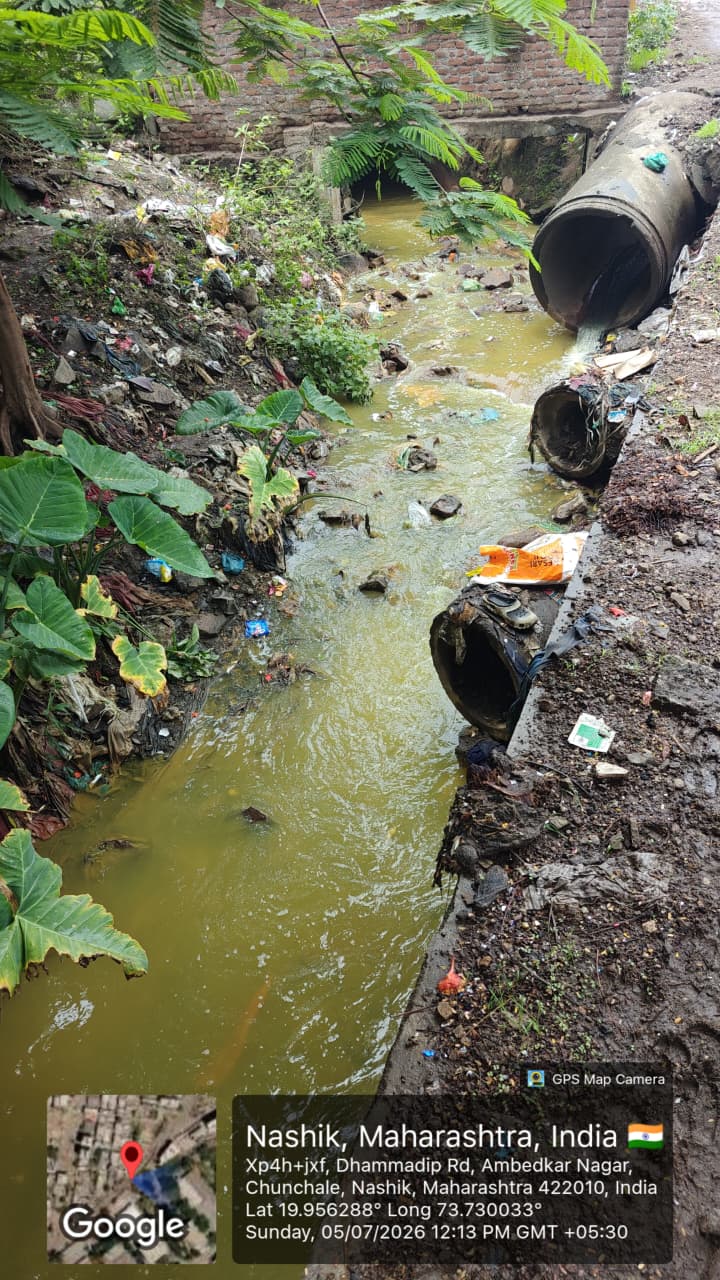
आगामी कुंभ मेले के संदर्भ में सबसे गंभीर चिंता SANDRP का यह आरोप है कि दूषित पानी एक स्थानीय नाले के जरिए गोदावरी नदी में पहुंच रहा है। संगठन के अनुसार, यह नाला कुंभ मेले के एक स्नान घाट के पास नदी में मिलता है।

SANDRP ने महाराष्ट्र प्रदूषण नियंत्रण बोर्ड (MPCB) से नंदिनी नदी/धारा और संदिग्ध प्रदूषण स्थल के नीचे गोदावरी के पानी की तत्काल जांच करने की मांग की है। संगठन ने यह भी कहा है कि प्रदूषण कितनी दूर तक फैला है, इसका पता लगाया जाए और आवश्यकता पड़ने पर नदी के निचले हिस्सों में रहने वाले लोगों तथा अन्य जल उपयोगकर्ताओं को सतर्क किया जाए।

प्रेस विज्ञप्ति में गोदावरी नदी के पानी में क्रोमियम की वास्तविक मात्रा का कोई प्रयोगशाला परिणाम नहीं दिया गया है। इसलिए यह अभी स्थापित नहीं है कि नदी के किन-किन हिस्सों, स्नान घाटों या तालाबों में प्रदूषण मौजूद है। इसकी पुष्टि वैज्ञानिक जांच से होनी आवश्यक है।

औद्योगिक इकाइयों और सरकारी कार्रवाई पर सवाल

SANDRP ने आरोप लगाया है कि पीले रंग के पानी की खबरें सामने आने के बाद महाराष्ट्र प्रदूषण नियंत्रण बोर्ड ने 30 सितंबर 2026 को केवल एक कंपनी को कारण बताओ नोटिस जारी किया था। संगठन ने पानी की जांच के नतीजों को सार्वजनिक नहीं किए जाने पर भी सवाल उठाए हैं।

संगठन ने अंबड औद्योगिक क्षेत्र में इलेक्ट्रोप्लेटिंग, मेटल फिनिशिंग, पेंट और अन्य संभावित प्रदूषणकारी उद्योगों की व्यापक जांच कराने की मांग की है। इसके अलावा, सभी जांच रिपोर्ट सार्वजनिक करने, दूषित पानी की आपूर्ति रोकने और पर्यावरणीय सुधार के लिए प्रभावी कदम उठाने की मांग की गई है।

प्रदूषण का वास्तविक स्रोत, पर्यावरण को हुए नुकसान की सीमा और संबंधित अधिकारियों की कार्रवाई की पर्याप्तता की जांच सक्षम प्राधिकारियों द्वारा की जानी आवश्यक है।

क्या असुरक्षित स्नान व्यवस्था मानवाधिकारों का सवाल बन सकती है?

भारतीय संविधान के अनुच्छेद 21 के तहत जीवन के अधिकार की न्यायिक व्याख्या में स्वास्थ्य और स्वच्छ पर्यावरण से जुड़े महत्वपूर्ण संरक्षण शामिल हैं। सार्वजनिक स्वास्थ्य की रक्षा करना और पर्यावरणीय नुकसान को रोकना भी सरकार की जिम्मेदारियों में आता है।

यदि वैज्ञानिक जांच से यह स्थापित होता है कि कोई निर्धारित स्नान घाट गंभीर स्वास्थ्य जोखिम पैदा करता है, तो पर्याप्त चेतावनी और सुरक्षा उपायों के बिना लोगों को वहां स्नान करने देना मानवाधिकार और सार्वजनिक कानून से जुड़े गंभीर सवाल खड़े कर सकता है।

हालांकि, केवल भूजल के इन आंकड़ों के आधार पर यह निष्कर्ष नहीं निकाला जा सकता कि पूरी गोदावरी नदी या कुंभ मेले के सभी स्नान घाट दूषित हैं। मुख्य सवाल यह है कि क्या सरकार व्यापक जांच कराएगी, परिणाम सार्वजनिक करेगी और जहां गंभीर जोखिम सामने आएगा, वहां समय रहते उचित कार्रवाई करेगी।

क्या लाखों श्रद्धालुओं के पहुंचने से पहले सरकार सभी निर्धारित स्नान घाटों की सुरक्षा प्रमाणित करेगी, या कुंभ मेले के नजदीक आने तक पानी की गुणवत्ता से जुड़े महत्वपूर्ण सवाल अनुत्तरित रहेंगे?

सुरक्षित स्नान व्यवस्था पहले से सुनिश्चित करना जरूरी

SANDRP ने संदिग्ध नाले, नंदिनी नदी/धारा और गोदावरी के संबंधित हिस्सों की तत्काल जांच की मांग की है। सभी निर्धारित स्नान घाटों की स्वतंत्र जांच और परिणामों को सार्वजनिक करना वास्तविक जोखिम का आकलन करने के लिए आवश्यक होगा।

यदि किसी स्थान पर पानी असुरक्षित पाया जाता है, तो धार्मिक भावनाओं का सम्मान करते हुए वहां स्नान पर उचित प्रतिबंध और सुरक्षित वैकल्पिक व्यवस्थाओं पर विचार किया जाना चाहिए।

प्राथमिकता प्रभावित परिवारों को सुरक्षित पानी और चिकित्सा सहायता उपलब्ध कराने, प्रदूषण के स्रोत की पहचान कर उसे रोकने, गोदावरी की वास्तविक स्थिति का पता लगाने और वैज्ञानिक प्रमाणों के आधार पर जनसुरक्षा सुनिश्चित करने की होनी चाहिए।

2027 के सिंहस्थ कुंभ मेले की तैयारियों के बीच सबसे महत्वपूर्ण सवाल यही है कि क्या प्रशासन समय रहते पारदर्शी और वैज्ञानिक प्रमाणों के साथ यह सुनिश्चित कर पाएगा कि श्रद्धालुओं को ऐसे स्वास्थ्य जोखिमों का सामना न करना पड़े, जिन्हें रोका जा सकता है।

CM Suvendu Adhikari Lays Foundation Stone for 2,000-Bed Adani Arogya Mandir in Kolkata

Kolkata, September 24, 2026: West Bengal Chief Minister Suvendu Adhikari laid the foundation stone for the proposed 2,000-bed Adani Arogya Mandir at the Bengal Silicon Valley Tech Hub in New Town, Kolkata, describing the project as a major step towards building an integrated healthcare ecosystem in Bengal.

The proposed medical institution, to be developed by the Adani Foundation, will involve an investment of more than ₹4,000 crore and will be spread across 51.75 acres. According to the Adani Group, the facility is expected to serve more than 2 lakh inpatients and over 20 lakh outpatients annually and create approximately 10,000 jobs across the healthcare ecosystem.

CM Adhikari: “Not just a hospital campus”

Speaking at the foundation-stone ceremony, Chief Minister Suvendu Adhikari said the project should be viewed as more than a hospital campus and expressed his expectation that it would contribute to rebuilding and developing Bengal.

“Mr Adani, we look forward to your presence to rebuild Bengal. The final vision is not just a hospital campus, it will be a fully integrated healthcare city. Nowhere in India is there a hospital of this high standard. The hospital will give a big boost to medical tourism. This is historic, meaningful and an auspicious day for us. Viksit Bharat 2047 can happen only if Bengal develops,”

Chief minister Suvendu Adhikari

The Chief Minister’s remarks placed healthcare infrastructure, medical tourism and Bengal’s broader economic development at the centre of the project.

2,000-bed healthcare institution

The proposed Adani Arogya Mandir will be a multi-speciality hospital with step-down and transitional care facilities. The campus will also include a Meditel and Vishram Gruh to provide accommodation for relatives of patients receiving treatment.

Adani Group Chairman Gautam Adani said the institution would be a not-for-profit medical centre, with 1,000 of its 2,000 beds intended for economically weaker sections eligible under state and central health insurance schemes.

Focus on cancer care and medical education

The first phase of the hospital is planned to focus on cancer care, providing advanced tertiary and specialised healthcare services.The campus will also feature a medical college with an annual intake of 150 undergraduate students, more than 100 postgraduate students and over 40 super-specialists. A College of Nursing and an institution for allied healthcare and paramedical education are also planned.

The proposed research ecosystem will cover areas such as genomics, precision medicine, biomedical informatics, artificial intelligence, clinical trials and molecular and applied biomedical sciences.

The Adani Foundation has engaged Mayo Clinic Global Consulting and Singapore’s SingHealth to bring expertise in clinical care, academic medicine, digital health, quality, workforce development and innovation.

CM’s development vision and ₹1 lakh crore roadmap

The foundation-stone ceremony also saw the announcement of an investment roadmap of more than ₹1 lakh crore in West Bengal by 2035 by the Adani Group.

The proposed investments will cover ports, logistics, renewable energy, power generation, power transmission and distribution, roads and bridges, green cement and hyperscale data centres.

For the Chief Minister, the healthcare project comes as part of a wider development vision for Bengal, with the proposed medical city expected to combine healthcare delivery, medical education, research and specialised treatment.

Heritage and cultural initiatives

The Adani Group also signed two MoUs with the West Bengal government concerning the restoration of the historic Writers’ Building and support for Kolkata’s Durga Puja ecosystem through Adani Pujo Preview.

Support for the revitalisation of Kumartuli Ghat was also announced.

The proposed Adani Arogya Mandir is therefore positioned as one component of a wider set of healthcare, infrastructure, heritage and cultural initiatives announced during the Chief Minister’s foundation-stone ceremony.

डीआरआई की बड़ी कार्रवाई: असम, मिजोरम और मुंबई में 35 करोड़ रुपये से अधिक की तस्करी सामग्री जब्त

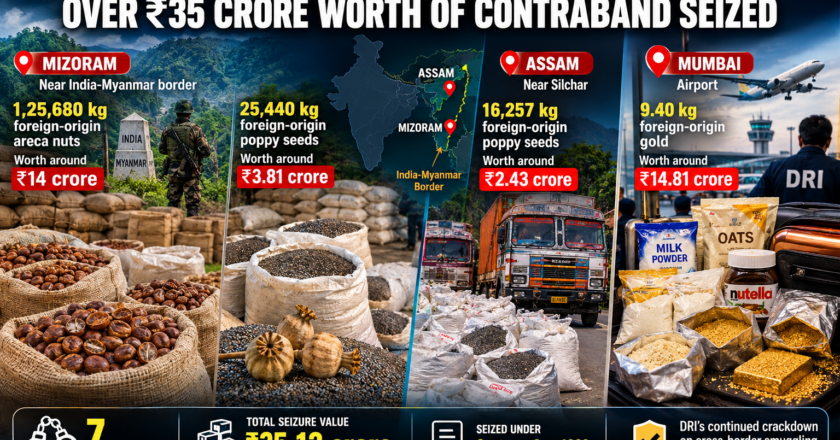
नई दिल्ली, 25 सितंबर 2026: सीमा पार तस्करी के खिलाफ जारी अभियान में डायरेक्टोरेट ऑफ रेवेन्यू इंटेलिजेंस (DRI) ने बड़ी कार्रवाई करते हुए असम, मिजोरम और मुंबई में विदेशी मूल की सुपारी, खसखस और सोना जब्त किया है। इन अलग-अलग अभियानों में जब्त सामग्री का कुल अनुमानित मूल्य 35.12 करोड़ रुपये से अधिक बताया गया है।

डीआरआई के अनुसार, मिजोरम और असम में की गई कार्रवाई में 1,25,680 किलोग्राम विदेशी मूल की सुपारी और 41,697 किलोग्राम विदेशी मूल का खसखस बरामद किया गया, जिसकी संयुक्त कीमत करीब 20.31 करोड़ रुपये है। वहीं मुंबई एयरपोर्ट पर एक अलग कार्रवाई में 9.40 किलोग्राम विदेशी मूल का सोना, जिसकी कीमत करीब 14.81 करोड़ रुपये है, जब्त किया गया।

भारत-म्यांमार सीमा के पास बड़ी सुपारी बरामदगी

23-24 सितंबर को मिजोरम के चंफाई जिले में डीआरआई ने कस्टम्स चंफाई, असम राइफल्स की 14वीं बटालियन और चंफाई पुलिस के सहयोग से रुआंतलांग गांव के आसपास तीन गोदामों की तलाशी ली।

ये गोदाम भारत-म्यांमार सीमा से लगभग 20 किलोमीटर की दूरी पर स्थित थे और तलाशी के समय बंद एवं लावारिस पाए गए। तलाशी के दौरान 1,25,680 किलोग्राम संदिग्ध विदेशी मूल की सुपारी, जिसकी कीमत लगभग 14 करोड़ रुपये है, बरामद की गई। इसके अलावा 25,440 किलोग्राम खसखस, जिसकी कीमत लगभग 3.81 करोड़ रुपये बताई गई, भी मिला।

प्रारंभिक जांच में संकेत मिला कि इन वस्तुओं को म्यांमार से भारत में तस्करी के जरिए लाया गया था। सामान को सीमा शुल्क अधिनियम, 1962 के तहत जब्त किया गया।

डीआरआई ने इस सुपारी बरामदगी को उत्तर-पूर्वी क्षेत्र में हाल के वर्षों में हुई सबसे बड़ी बरामदगियों में से एक बताया है।

असम में दो ट्रकों से 16 टन से अधिक खसखस बरामद

22 सितंबर को विशेष खुफिया सूचना के आधार पर डीआरआई अधिकारियों ने असम राइफल्स की 38वीं बटालियन की सहायता से सिलचर के पास लैलापुर में दो ट्रकों को रोका।

वाहनों की विस्तृत जांच के दौरान 290 एचडीपीई बैगों में 16,257 किलोग्राम विदेशी मूल का खसखस बरामद हुआ। इसकी अनुमानित कीमत करीब 2.43 करोड़ रुपये बताई गई है।

डीआरआई के अनुसार, बैगों पर विदेशी निर्माण एवं व्यापार से संबंधित चिह्न थे और खेप के साथ वैध आयात दस्तावेज मौजूद नहीं थे। खसखस और दोनों वाहनों को सीमा शुल्क अधिनियम के तहत जब्त किया गया तथा परिवहन में शामिल चार लोगों को गिरफ्तार किया गया।

डीआरआई ने बताया कि खसखस विदेश व्यापार नीति के ITC (HS) वर्गीकरण के तहत एक ‘Restricted’ वस्तु है और इसके आयात के लिए निर्धारित शर्तों का पालन आवश्यक है।

मुंबई एयरपोर्ट पर खाने के सामान में छिपाकर लाया गया सोना

इसी बीच मुंबई में डीआरआई की एक अलग कार्रवाई में सोने की तस्करी का एक असामान्य तरीका सामने आया।

डीआरआई मुंबई जोनल यूनिट ने 23 सितंबर की सुबह दुबई से मुंबई पहुंचे तीन भारतीय यात्रियों को छत्रपति शिवाजी महाराज अंतरराष्ट्रीय हवाई अड्डे पर विशेष सूचना के आधार पर रोका। एयर इंटेलिजेंस यूनिट और मुंबई एयरपोर्ट कस्टम्स की सहायता से उनके सामान की विस्तृत जांच की गई।

जांच में सामने आया कि विदेशी मूल के सोने को बारीक पाउडर में बदलकर मिल्क पाउडर, ओट्स, विभिन्न प्रकार के आटे, न्यूटेला और नारियल के दूध के पाउडर जैसे सामान्य खाद्य उत्पादों में मिलाया गया था।

तीनों यात्रियों के सामान से करीब 33.50 किलोग्राम ऐसे खाद्य उत्पाद बरामद हुए जिनमें सोने का पाउडर मिला हुआ था। अलग करने और जांच के बाद 9.40 किलोग्राम विदेशी मूल का सोना बरामद किया गया, जिसकी कीमत लगभग 14.81 करोड़ रुपये आंकी गई।

सोने को सीमा शुल्क अधिनियम, 1962 के संबंधित प्रावधानों के तहत जब्त किया गया। पूछताछ के दौरान तीनों यात्रियों ने कथित तौर पर एक ही संगठित सोना तस्करी सिंडिकेट की ओर से काम करने की बात स्वीकार की। तीनों को गिरफ्तार कर लिया गया।

अलग-अलग तरीकों से तस्करी नेटवर्क पर कार्रवाई

डीआरआई की इन कार्रवाइयों में तस्करी के अलग-अलग तरीकों की तस्वीर सामने आती है। भारत-म्यांमार सीमा से बड़े पैमाने पर कृषि उत्पादों की कथित तस्करी से लेकर अंतरराष्ट्रीय हवाई अड्डे पर खाद्य पदार्थों में सोने का पाउडर छिपाने तक, तस्कर जांच एजेंसियों से बचने के लिए अलग-अलग तरीके अपना रहे हैं।

असम और मिजोरम की कार्रवाइयों में बड़ी मात्रा में विदेशी मूल की सुपारी और प्रतिबंधित श्रेणी का खसखस जब्त किया गया, जबकि मुंबई में अत्यधिक छिपाव वाले तरीके से लाया जा रहा करोड़ों रुपये का सोना पकड़ा गया।

डीआरआई के अनुसार, इन कार्रवाइयों में कुल मिलाकर 35.12 करोड़ रुपये से अधिक मूल्य की सामग्री जब्त की गई और सात लोगों को गिरफ्तार किया गया। एजेंसी का कहना है कि ये कार्रवाई भारत-म्यांमार सीमा तथा अन्य संवेदनशील मार्गों से संचालित तस्करी नेटवर्क को रोकने के प्रयासों का हिस्सा हैं।

FSSAI Proposes Ban on Use of ‘Paneer’ Label for Non-Milk Products, Seeks to Prevent Consumer Confusion

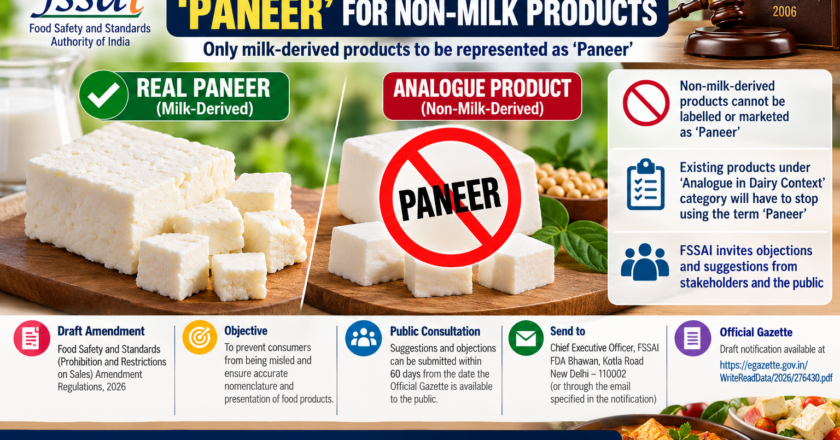
New Delhi, September 24, 2026: The Food Safety and Standards Authority of India (FSSAI) has proposed a significant amendment to food safety regulations aimed at preventing non-milk-derived analogue products from being marketed or labelled as “Paneer.”

The proposed Food Safety and Standards (Prohibition and Restrictions on Sales) Amendment Regulations, 2026 seek to specifically address products described as “paneer” despite being made from constituents that are not derived from milk.

Only milk-derived products to be represented as ‘Paneer’

Under the proposed amendment, a new clause would be inserted under Regulation 2.1.1 of the existing Food Safety and Standards (Prohibition and Restrictions on Sales) Regulations, 2011.

The amendment would cover “paneer made of constituents not derived from milk.” Products that are already licensed or registered under the ‘Analogue in Dairy Context’ category would have to discontinue the use of the term “Paneer” in their nomenclature, labelling and marketing.

The move is aimed at ensuring that consumers can clearly distinguish between genuine milk-derived paneer and products made using non-milk ingredients.

Focus on informed consumer choiceFSSAI’s proposal comes against the backdrop of growing availability of dairy analogues and plant- or non-milk-based products in the food market. While such products may have their own legitimate uses and markets, the proposed regulatory change focuses on how they are described and presented to consumers.

According to FSSAI, the nomenclature and presentation of food products should accurately reflect their nature and composition. The proposed restriction is therefore intended to reduce the possibility of consumers purchasing a non-milk product believing it to be conventional paneer.

Existing analogue products could face labelling changes

An important aspect of the proposal is its impact on products already licensed or registered in the ‘Analogue in Dairy Context’ category. If the amendment is finalised in its proposed form, such products would no longer be able to use “Paneer” as part of their nomenclature, labelling or marketing.

This could require manufacturers and food businesses to review product names, packaging and promotional material to ensure compliance with the amended regulations.

Public invited to submit objections and suggestions

The amendment is still at the draft stage and has not yet become a final regulation. FSSAI has invited objections and suggestions from stakeholders as well as members of the public.

The draft will be considered after the expiry of 60 days from the date copies of the relevant Official Gazette notification are made available to the public.

Suggestions and objections may be submitted to the Chief Executive Officer, FSSAI, FDA Bhawan, Kotla Road, New Delhi–110002, or through the email address specified in the notification.

What the proposal could mean for consumers

If ultimately notified in its proposed form, the amendment would establish a clearer distinction in the marketplace between milk-derived paneer and non-milk-derived analogue products.

For consumers, the intended effect is straightforward: the name and presentation of a food product should provide a clearer indication of what it actually contains, allowing purchasing decisions to be based on accurate information.

The proposal has been issued by FSSAI with the previous approval of the Central Government under the Food Safety and Standards Act, 2006. The principal Prohibition and Restrictions on Sales Regulations were notified in 2011 and have been amended periodically.

The proposal remains subject to the consultation process, and its final provisions may differ from the draft.

सीआरपीसी एनजीओ की शिकायत पर लखनऊ में कथित अवैध सरोगेसी की जांच के आदेश, एनएचआरसी ने लिया संज्ञान

राष्ट्रीय मानवाधिकार आयोग (NHRC) ने उत्तर प्रदेश के लखनऊ स्थित कुछ आईवीएफ केंद्रों के माध्यम से संचालित कथित अवैध सरोगेसी के संबंध में दायर शिकायत पर संज्ञान लिया है, जहाँ आर्थिक रूप से कमजोर एवं संवेदनशील महिलाओं के व्यावसायिक सरोगेसी के लिए कथित रूप से शोषण किए जाने का आरोप है, जो सरोगेसी (विनियमन) अधिनियम, 2021 के कथित उल्लंघन के अंतर्गत आता है।

यह शिकायत मनीष जैन, जनसंपर्क अधिकारी, सिटिजन राइट्स प्रोटेक्शन काउंसिल (CRPC) – NGO, द्वारा प्रस्तुत की गई थी, जिसमें आरोप लगाया गया कि आर्थिक रूप से कमजोर एवं असुरक्षित महिलाएं, जिनमें अविवाहित महिलाएं भी शामिल हैं, को धन के बदले व्यावसायिक सरोगेसी के लिए कथित रूप से इस्तेमाल किया जा रहा है, जिससे उनके शारीरिक एवं मानसिक स्वास्थ्य पर गंभीर प्रभाव पड़ने की आशंका है।

शिकायत में नवजात शिशुओं की कथित अवैध खरीद-फरोख्त को लेकर भी गंभीर चिंता व्यक्त की गई तथा कहा गया कि ऐसी गतिविधियाँ महिलाओं की गरिमा, बाल संरक्षण कानूनों तथा मूल मानवाधिकारों के कथित गंभीर उल्लंघन का रूप ले सकती हैं।

Priyank kanoongo

मामले की गंभीरता को देखते हुए, माननीय सदस्य श्री प्रियंक कानूनगो की अध्यक्षता वाली एनएचआरसी पीठ ने यह टिप्पणी की कि शिकायत में लगाए गए आरोप प्रथम दृष्टया पीड़ितों के मानवाधिकारों के गंभीर उल्लंघन प्रतीत होते हैं, और संरक्षण मानवाधिकार अधिनियम, 1993 की धारा 12 के अंतर्गत संज्ञान लिया गया।

आयोग द्वारा की गई प्रथम कार्रवाई में, शिकायत की प्रति एनएचआरसी के महानिदेशक (जांच) को प्रेषित करने के निर्देश दिए गए, ताकि एक टीम गठित कर मौके पर जांच कराई जाए तथा चार सप्ताह के भीतर विस्तृत रिपोर्ट प्रस्तुत की जाए।

इसके पश्चात आयोग ने उत्तर प्रदेश सरकार के मुख्य सचिव, उत्तर प्रदेश के पुलिस महानिदेशक तथा राष्ट्रीय चिकित्सा आयोग के अध्यक्ष को भी नोटिस जारी करते हुए आरोपों की जांच कर दो सप्ताह के भीतर कार्यवाही प्रतिवेदन (ATR) प्रस्तुत करने के निर्देश दिए।

शिकायत में आईवीएफ एवं फर्टिलिटी केंद्रों की नियमित और सख्त जांच की आवश्यकता पर बल दिया गया, ताकि कानूनी प्रावधानों का पालन सुनिश्चित हो, कमजोर महिलाओं के कथित शोषण को रोका जा सके, उनके स्वास्थ्य एवं अधिकारों की रक्षा हो सके, तथा चिकित्सा प्रक्रियाओं की आड़ में बच्चों की किसी भी कथित अवैध खरीद-फरोख्त को रोका जा सके।

मनीष का कहना है,

“गरीबी, भय, आर्थिक निर्भरता और कानूनी अधिकारों की जानकारी के अभाव में इस प्रकार के कथित शोषण के मामले अक्सर दब जाते हैं। जब चिकित्सा व्यवस्था का कथित रूप से अवैध व्यावसायिक गतिविधियों के लिए दुरुपयोग किया जाता है, तब यह केवल स्वास्थ्य का विषय नहीं रह जाता, बल्कि यह महिलाओं की गरिमा, बच्चों के अधिकार और मानवाधिकारों पर सीधा आघात बन जाता है।”

मनीष का आगे कहना है,

मेरा उद्देश्य केवल शिकायत दर्ज कराना नहीं, बल्कि यह सुनिश्चित करना है कि कोई भी कमजोर महिला मजबूरी में शोषण का शिकार न बने, कोई भी दंपत्ति अवैध प्रक्रियाओं के जाल में न फँसे, और किसी भी नवजात का जीवन व्यापार का माध्यम न बने। कानून का पालन, पारदर्शिता और जवाबदेही ही इस समस्या का स्थायी समाधान है।”

एनएचआरसी की जांच शाखा को मौके पर जांच के निर्देश दिए जाने तथा विभिन्न प्राधिकरणों को नोटिस जारी होने के बाद, यह मामला अब आधिकारिक जांच के एक महत्वपूर्ण चरण में प्रवेश कर चुका है।

मनीष ने अंत में कहा कि यदि समाज और संस्थाएं समय रहते हस्तक्षेप करें, तो अनेक महिलाओं और बच्चों को ऐसे कथित शोषण से बचाया जा सकता है। उन्होंने आशा व्यक्त की कि इस मामले में निष्पक्ष जांच होगी, दोषियों पर विधिसम्मत कार्रवाई की जाएगी और भविष्य में ऐसी घटनाओं की पुनरावृत्ति रोकने के लिए सख्त तंत्र विकसित किया जाएगा।

NHRC Takes Cognizance of Unsafe Drinking Water Across States, Calls It Human Rights Violation

Updated : January 23, 2026

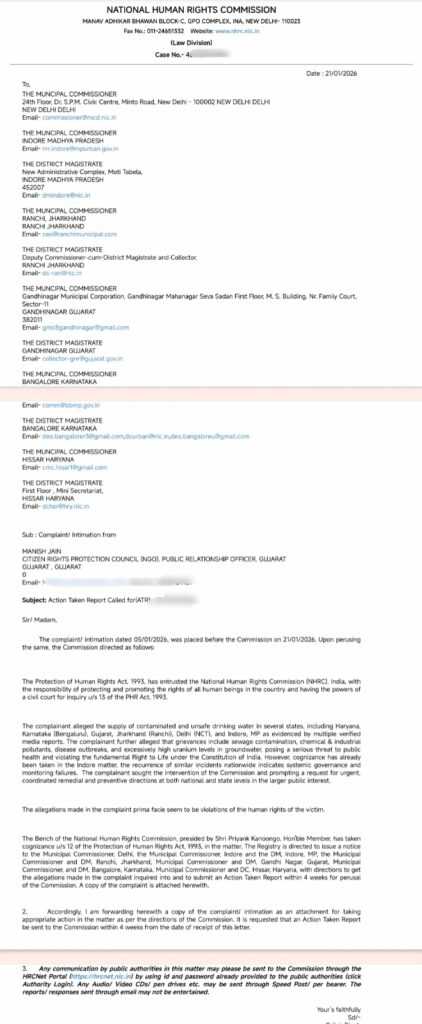
The National Human Rights Commission (NHRC) has taken cognizance of serious concern related to the supply of contaminated and unsafe drinking water in multiple Indian states, observing that the issue amounts to a prima facie violation of human rights and the constitutional Right to Life.

The Commission has issued notices to senior municipal and district authorities in Delhi (NCT), Indore (Madhya Pradesh), Ranchi (Jharkhand), Gandhinagar (Gujarat), Bengaluru (Karnataka), and Hisar (Haryana), directing them to conduct inquiries and submit Action Taken Reports (ATRs) within four weeks.


Clean Drinking Water Integral to Right to Life: NHRC

In its order dated 21 January 2026, the NHRC noted that access to safe and potable drinking water is inseparable from human dignity, public health, and survival.

The complaint placed before the Commission referred to multiple verified media reports highlighting:

  • Sewage contamination in drinking water supply
  • Chemical and industrial pollutants
  • Outbreaks of waterborne diseases
  • Excessively high uranium levels in groundwater

The Commission observed that such conditions pose a grave threat to public health, particularly affecting children, elderly persons, and economically vulnerable communities.


Pattern of Failures, Not Isolated Incidents

While acknowledging that cognizance had already been taken earlier in an Indore-related matter, the NHRC stated that the recurrence of similar incidents across different states indicates systemic governance and monitoring failures.

The Commission emphasized that repeated lapses by civic bodies and district administrations reflect deeper issues in regulation, infrastructure maintenance, and accountability mechanisms.


Cognizance Taken Under Protection of Human Rights Act

The matter was considered by the NHRC Bench presided over by Hon’ble Member Shri Priyank Kanoongo. The Commission took cognizance under Section 12 of the Protection of Human Rights Act, 1993, and reiterated that it has the powers of a civil court under Section 13 to inquire into such violations.

Notices have been issued to Municipal Commissioners and District Magistrates of all concerned regions, directing them to personally ensure inquiry, corrective steps, and preventive measures.


Citizen Rights Protection Council (NGO) Brings Issue to NHRC

The issue was raised by Manish, public relationship officer Gujarat, highlighting the nationwide scale of the drinking water crisis.

CRPC presented media reports suggesting that unsafe water supply is no longer an isolated civic failure but a widespread public health and human rights concern, requiring urgent intervention at both state and national levels.

The involvement of the Citizen Rights Protection Council underscores the role of civil society in flagging systemic issues and ensuring that citizens’ grievances reach constitutional oversight bodies.

“Recurring incidents of polluted water supply across multiple states point to institutional neglect, not isolated errors, and demand urgent corrective and preventive action.”

Manish Jain PRO State

Strict Reporting Mechanism Ordered

The NHRC has directed that:

  • All inquiries must be conducted promptly
  • Concrete remedial and preventive steps must be initiated
  • Action Taken Reports must be submitted only through the HRCNet Portal / Speed post.

A Strong Signal on Public Health Accountability

Human rights experts say the NHRC’s intervention reinforces the principle that failure to provide safe drinking water is not merely administrative negligence but a violation of human rights.

As authorities across multiple states prepare their responses, the case is being closely watched as a potential benchmark for treating environmental and public health failures through a human rights accountability framework.

Medical Associations Object to NEET-PG 2025 Cut-off Reduction Following NBEMS Notification

January 14, 2026

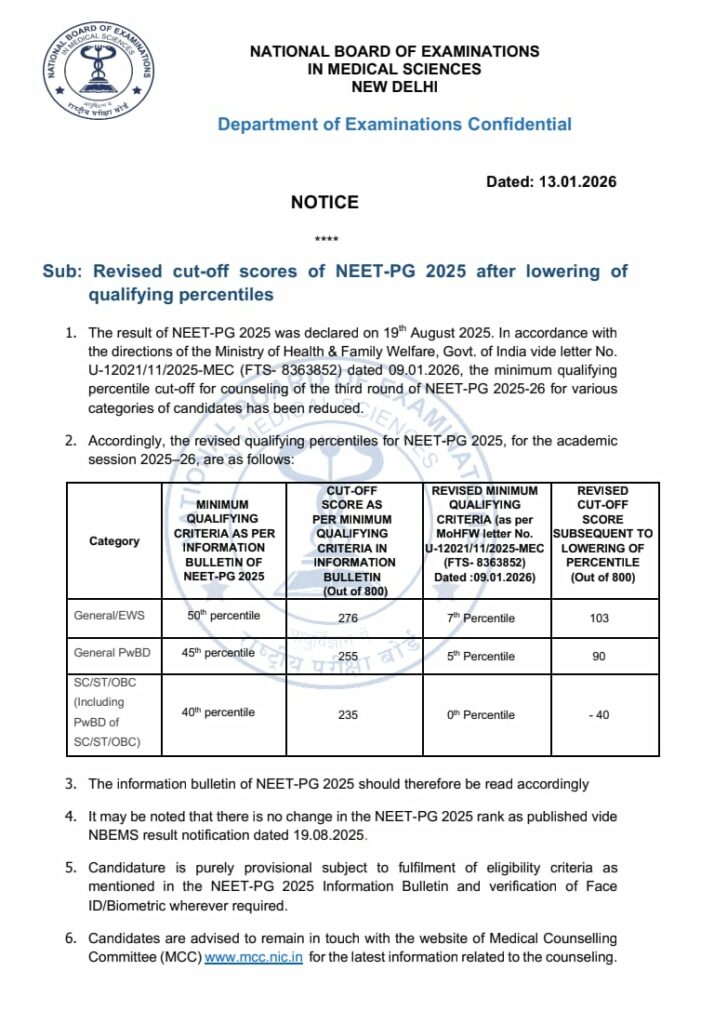
The decision to reduce the qualifying cut-off scores for NEET-PG 2025 has drawn strong objections from national medical associations, following a notification issued by the National Board of Examinations in Medical Sciences (NBEMS) on 13 January 2026.

NBEMS

According to the NBEMS notice, issued on the directions of the Ministry of Health & Family Welfare, the minimum qualifying percentiles for participation in the third round of NEET-PG 2025–26 counselling have been reduced across categories. The revised criteria allow eligibility at the 7th percentile for General/EWS candidates, 5th percentile for General PwBD, and 0th percentile for SC/ST/OBC candidates, with the corresponding cut-off score for the latter category being minus 40 marks out of 800.

NBEMS clarified that there is no change in NEET-PG 2025 ranks as declared on 19 August 2025 and that candidature remains subject to eligibility verification as per the NEET-PG Information Bulletin.

FORDA Raises Concerns on Merit and Training Standards

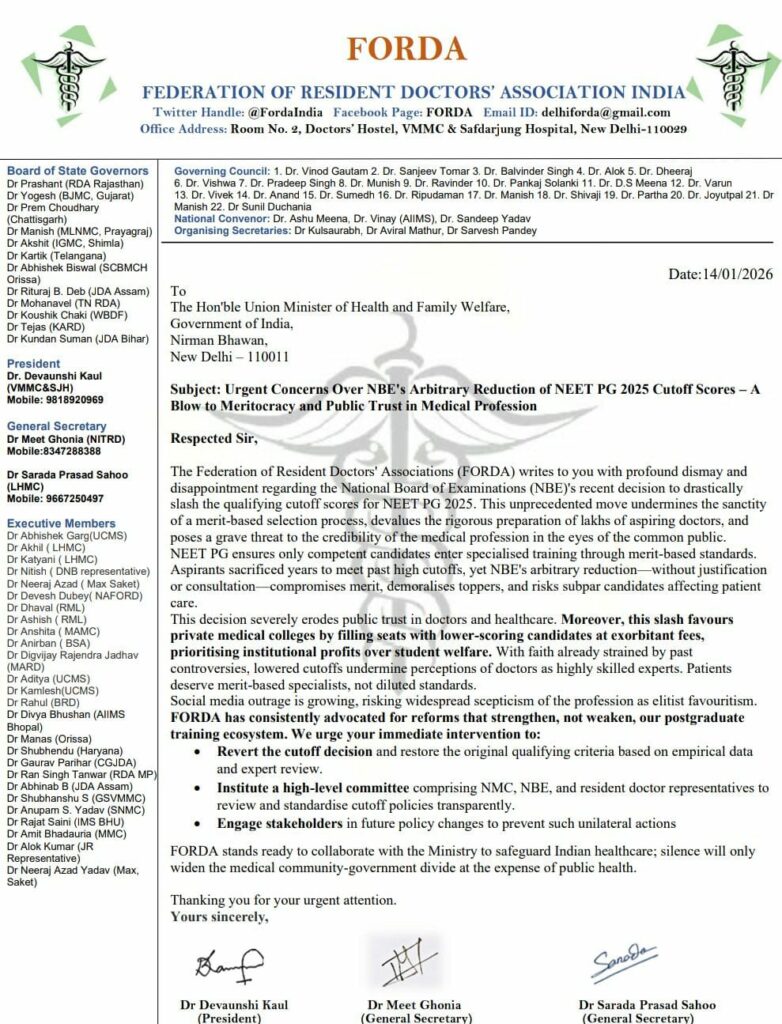
The Federation of Resident Doctors’ Associations (FORDA), in a letter addressed to the Union Minister of Health and Family Welfare dated 14 January 2026, expressed “profound dismay and disappointment” over the reduction of cut-off scores.

FORDA

FORDA stated that NEET-PG is intended to ensure merit-based entry into postgraduate medical education and that the sudden lowering of qualifying criteria, without stated academic justification or stakeholder consultation, undermines the credibility of the examination process. The association highlighted that aspirants prepare for years to meet qualifying standards and that such revisions adversely affect confidence in the system.

The letter further stated that diluted qualifying thresholds raise concerns regarding the quality of postgraduate medical training and may affect public trust in the medical profession.

FAIMA Demands Withdrawal of Notification

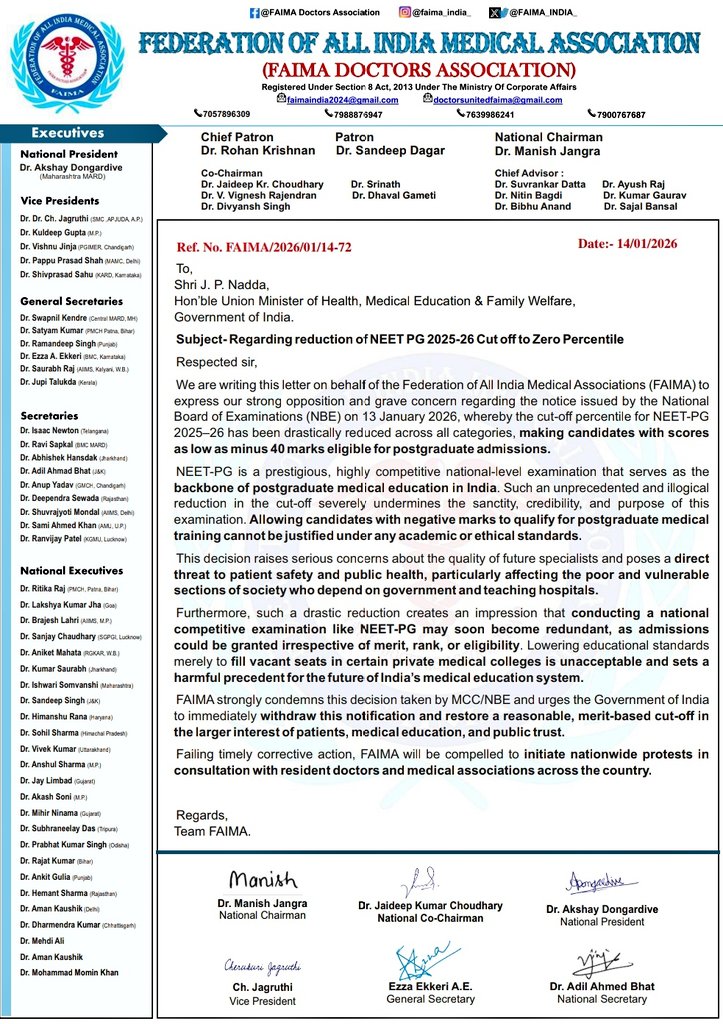
Separately, the Federation of All India Medical Associations (FAIMA) also objected to the NBEMS notification through a formal representation dated 14 January 2026.

FAIMA

FAIMA described the reduction of the cut-off to zero percentile as unprecedented and stated that permitting candidates with negative marks to qualify for postgraduate medical education cannot be justified on academic or ethical grounds. The association expressed concern regarding implications for patient safety and public health, particularly in teaching and government hospitals.

FAIMA urged the Government of India to withdraw the notification and restore a merit-based qualifying cut-off. The association also stated that it may initiate nationwide protests if corrective action is not taken.

Call for Review

Both FORDA and FAIMA have sought intervention from the Union Health Ministry and have requested a review of the revised cut-off decision in the interest of maintaining standards in postgraduate medical education.

Buy Stromectol Online: Your Guide to Effective Treatment

Understanding Stromectol and Its Use

Stromectol, known generically as ivermectin, is a medication primarily used to treat various parasitic infections. It has gained attention for its effectiveness in treating conditions such as river blindness and lymphatic filariasis. In recent years, interest in Stromectol has surged due to its potential applications beyond traditional uses.

Why Would Someone Consider a Purchase of Stromectol?

Individuals may consider a purchase of Stromectol for several reasons. Primarily, those suffering from parasitic infections might seek this treatment to alleviate their symptoms and eradicate the parasites from their system. Additionally, some people explore its use in off-label treatments, which can include certain viral infections, although these uses are still under investigation.

Where to Purchase Stromectol Safely

When looking to purchase Stromectol, it is crucial to do so through legitimate sources. Authorized pharmacies and healthcare providers should be the primary options for obtaining this medication. Purchasing from unauthorized websites can pose serious health risks and legal issues.

Consulting with Healthcare Professionals

Before making a decision to purchase Stromectol, consulting with a healthcare professional is essential. They can provide personalized advice, assess individual health needs, and ensure that Stromectol is an appropriate choice. This step helps avoid potential side effects and interactions with other medications.

The Importance of Following Dosage Instructions

If you choose to purchase Stromectol, adhering to prescribed dosage instructions is vital. Misuse or overuse of ivermectin can lead to ineffective treatment or adverse reactions. Always follow the guidance of your healthcare provider to ensure safety and efficacy.

Conclusion

In summary, considering a purchase of Stromectol requires careful thought and consultation. By understanding its uses, sourcing it safely, and following medical advice, individuals can make informed decisions regarding their health and treatment options.

Buy Stromectol: Effective Treatment for Parasitic Infections

Understanding Parasitic Infections

Parasitic infections can affect various systems within the body, leading to a range of health issues. These infections are caused by parasites that live on or inside a host and can lead to significant discomfort and illness if left untreated.

Common Types of Parasitic Infections

  • Intestinal worms (e.g., roundworms, tapeworms)
  • Malaria
  • Lice and scabies
  • Giardia
  • Trichomoniasis

What is Stromectol?

Stromectol, containing the active ingredient Ivermectin, is an effective medication used to treat a variety of parasitic infections. This antiparasitic agent works by disrupting the life cycle of the parasite, providing relief and promoting recovery.

Indications for Use

The primary uses of Stromectol include:

  1. Treatment of strongyloidiasis (a type of intestinal infection)
  2. Treatment of onchocerciasis (river blindness)
  3. Management of certain external parasites like lice and scabies

Why Purchase Stromectol?

Buying Stromectol can be a crucial step toward regaining your health from parasitic infections. Here are several reasons to consider this treatment:

  • Proven Efficacy: Stromectol has been subjected to rigorous clinical trials demonstrating its ability to effectively eliminate various parasites.
  • Convenient Dosage: The medication is typically administered in a single dose, making it easy for patients to follow treatment guidelines.
  • Minimal Side Effects: Most users tolerate Stromectol well, experiencing only minor side effects, if any.

How to Purchase Stromectol Safely

When considering where to purchase Stromectol, it’s essential to follow safe practices:

  1. Consult a healthcare professional to confirm the need for treatment.
  2. Obtain a valid prescription if required in your region.
  3. Choose licensed pharmacies or reputable online stores for procurement.

Frequently Asked Questions

1. Is Stromectol safe for everyone?

While Stromectol is generally safe, it may not be suitable for individuals with specific medical conditions or those taking certain medications. Always consult your doctor before starting treatment.

2. Can I buy Stromectol without a prescription?

In many places, Stromectol requires a prescription. It is vital to follow local regulations regarding medication purchases to ensure safety and legality.

3. What should I do if I miss a dose?

If you miss a dose, take it as soon as you remember. If it’s almost time for your next dose, skip the missed one and continue with your regular schedule. Do not double the dose to make up for a missed one.

4. How long does it take for Stromectol to work?

Many patients experience relief from symptoms within a few days. However, the complete eradication of the parasite can vary based on the type of infection and individual response to treatment.

Conclusion

For those suffering from parasitic infections, purchase Stromectol can be an effective solution. By understanding the nature of these infections and the benefits of Stromectol, patients can take informed steps towards recovery. Always consult with a healthcare provider to determine the best course of action for your health needs.

Secure Your Supply of Stromectol Today

Understanding Stromectol and Its Importance

Stromectol, known generically as ivermectin, is a medication primarily used to treat various parasitic infections. It has gained significant attention for its efficacy in managing conditions like river blindness and lymphatic filariasis. With the rising demand for such essential treatments, securing a reliable supply of Stromectol has become increasingly crucial for both healthcare providers and patients.

Why You Should Purchase Stromectol Now

The global landscape of pharmaceuticals can be unpredictable. Stock shortages or sudden price hikes can occur without warning. By choosing to purchase Stromectol today, you ensure that you have access to this vital medication when needed most. Early procurement can help mitigate risks associated with potential supply chain disruptions.

The Benefits of Early Procurement

Acquiring Stromectol in advance allows healthcare professionals to maintain adequate inventory levels. This proactive approach means that treatment courses can be initiated without delay, thereby improving patient outcomes. Additionally, purchasing medications early often leads to cost savings, as prices may increase over time due to market fluctuations.

How to Secure Your Supply

When looking to purchase Stromectol, it’s essential to choose reputable suppliers. Pharmacies, medical wholesalers, and licensed online platforms are among the best options. Ensure that any source you consider is accredited and trustworthy to avoid counterfeit products.

Considerations When Buying Stromectol

  • Verify supplier credentials and reviews to ensure reliability.
  • Check for proper storage and handling procedures to maintain drug efficacy.
  • Be aware of prescription requirements; some jurisdictions may regulate the sale of Stromectol.

Conclusion

In today’s healthcare environment, it’s vital to secure essential medications like Stromectol proactively. By deciding to purchase Stromectol now, you not only enhance your preparedness but also contribute to better health management for those in need. Take action today to ensure a steady supply of this important medication.

Ivermectine : Achetez en Toute Confiance

Ivermectine : Un Médicament au Cœur des Débats

L’ivermectine est un antiparasitaire largement utilisé dans le traitement de diverses infections. Cependant, son utilisation pour d’autres maladies a suscité de nombreuses discussions au sein de la communauté médicale.

Qu’est-ce que l’Ivermectine ?

L’ivermectine est un médicament qui agit en paralysant et en tuant les parasites responsables de certaines infections. Elle est principalement prescrite pour traiter des maladies comme la river blindness et la filariose lymphatique.

Diverses Utilisations et Controverses

Récemment, l’ivermectine a été évoquée dans le cadre de la lutte contre la COVID-19. Bien que certains soutiennent son efficacité, de nombreuses études n’ont pas démontré de résultats concluants, ce qui a conduit à des recommandations prudentes concernant son usage.

Où Ivermectine Acheter ?

Si vous cherchez à ivermectine acheter, il est crucial de le faire auprès de pharmacies légitimes ou de fournisseurs agréés. L’automédication peut entraîner des risques pour la santé et des conséquences graves.

Précautions à Prendre

Avant de prendre de l’ivermectine, il est essentiel de consulter un professionnel de la santé. Ce dernier pourra évaluer vos besoins spécifiques et s’assurer que le médicament est adapté à votre situation.

Conclusion

En résumé, l’ivermectine est un médicament précieux dans le domaine médical, mais son utilisation doit être soigneusement encadrée. Pour ceux qui envisagent de ivermectine acheter, il est impératif de respecter les conseils médicaux afin d’assurer une utilisation sûre et efficace.

Achetez Ivermectine en toute sécurité et fiabilité

Achetez Ivermectine en toute sécurité

L’Ivermectine est un médicament largement utilisé pour traiter diverses infections parasitaires. Avec la montée de l’intérêt pour ce produit, il est essentiel de savoir comment l’acquérir de manière fiable. Dans cet article, nous allons explorer les meilleures pratiques pour ivermectine acheter en toute sécurité.

Choisissez une pharmacie en ligne réputée

Lorsque vous décidez d’ivermectine acheter, il est crucial de sélectionner une pharmacie en ligne qui a fait ses preuves. Recherchez des plateformes qui sont enregistrées et qui offrent des informations claires sur leurs produits. Vérifiez également les avis des clients pour garantir la fiabilité du service.

Vérifiez la légitimité du produit

Avant de procéder à votre achat, assurez-vous que l’Ivermectine proposée correspond aux normes de qualité. Consultez les informations concernant le fabricant et recherchez des certifications qui attestent de l’authenticité du produit. Cela vous aidera à éviter les contrefaçons potentiellement dangereuses.

Consultez un professionnel de santé

Il est recommandé de parler avec un médecin avant d’ivermectine acheter. Un professionnel de santé pourra vous conseiller sur la nécessité du traitement et la posologie appropriée. De plus, il pourra vous orienter vers des sources fiables pour votre achat.

Évitez les sites douteux

Les plateformes qui proposent des médicaments à des prix très bas ou sans prescription médicale doivent être évitées. Ces sites peuvent vendre des produits de mauvaise qualité ou faux. Prenez le temps de faire des recherches approfondies avant de finaliser votre commande.

Privilégiez le paiement sécurisé

Lors de votre ivermectine acheter, choisissez des options de paiement sécurisées. Les méthodes de paiement reconnues offrent généralement une meilleure protection contre la fraude. De plus, gardez un œil sur vos relevés bancaires après l’achat pour détecter toute activité suspecte.

Suivez les recommandations de stockage

Une fois que vous avez acheté l’Ivermectine, il est important de suivre les instructions de stockage fournies. Conservez le médicament dans un endroit frais et sec, loin de la lumière directe. Cela garantira son efficacité jusqu’à sa date d’expiration.

Conclusion

Acheter de l’Ivermectine nécessite une vigilance particulière pour assurer votre sécurité et celle de votre santé. En suivant ces conseils lors de votre ivermectine acheter, vous pouvez vous sentir en confiance quant à la qualité et la fiabilité de votre achat. Veillez toujours à privilégier des sources dignes de confiance et à consulter un professionnel de santé lorsque cela est nécessaire.

Ivermectine : Votre Solution Anti-Parasitaires Disponible Maintenant

Ivermectine : Un Remède Efficace Contre les Parasites

L’ivermectine est un antiparasitaire largement utilisé qui a prouvé son efficacité contre plusieurs types de parasites. Que ce soit pour des infections parasitaires courantes ou des conditions plus graves, l’ivermectine se présente comme une solution fiable.

Qu’est-ce que l’Ivermectine ?

L’ivermectine est un médicament qui agit en paralysant et en tuant les parasites présents dans le corps. Il est principalement prescrit pour traiter :

  • Les infections par des vers intestinaux
  • La gale
  • Les infections à poux
  • Les filarioses

Pourquoi choisir l’Ivermectine ?

Voici quelques raisons pour lesquelles l’ivermectine est souvent recommandée :

  • Efficacité prouvée : De nombreuses études démontrent son action rapide et durable contre divers parasites.
  • Facilité d’utilisation : Disponibilité en comprimés et en lotion, rendant son administration simple.
  • Options accessibles : Possibilité d’ivermectine acheter en ligne ou en pharmacie.

Posologie et Administration

Il est important de suivre les recommandations d’un professionnel de santé concernant la posologie. En général, la dose dépend du type d’infection et de la réponse du patient au traitement. Voici quelques conseils généraux :

  1. Prendre le médicament avec un verre d’eau.
  2. Respecter la dose prescrite par votre médecin.
  3. Ne pas utiliser pour des conditions non recommandées sans avis médical.

Effets Secondaires Potentiels

Bien que l’ivermectine soit généralement bien tolérée, certains effets secondaires peuvent survenir :

  • Nausées
  • Fatigue
  • Démangeaisons cutanées

Contactez un professionnel de santé si vous ressentez des symptômes préoccupants.

Questions Fréquemment Posées

Où puis-je acheter de l’ivermectine ?

L’ivermectine peut être achetée dans certaines pharmacies sur ordonnance ou en ligne via des sites médicaux agréés.

L’ivermectine est-elle sécuritaire pour tous ?

Ce médicament doit être utilisé sous la supervision d’un professionnel de santé. Certaines personnes, notamment celles ayant des problèmes hépatiques, doivent faire preuve de prudence.

Combien de temps faut-il pour voir les résultats ?

Les résultats peuvent varier selon l’infection. Généralement, une amélioration peut être constatée dans les jours suivant le début du traitement.

Conclusion

L’ivermectine offre une solution efficace et accessible pour lutter contre les infections parasitaires. Si vous envisagez de ivermectine acheter, consultez d’abord un professionnel de santé pour obtenir des conseils adaptés et assurer une utilisation sécuritaire.