

Unmasking common gambling myths you probably believe
The Myth of the Lucky Charm
Many gamblers hold onto the belief that certain items or rituals can bring them luck at the gaming table. This myth often leads players to think that wearing a particular piece of clothing or carrying a specific token will influence the outcome of their bets. The reality is that gambling outcomes are largely determined by chance, governed by the laws of probability rather than superstition. While engaging in fun rituals is common, it’s essential to remember that understanding odds and probabilities is crucial when considering options like casino real money.

While it can be fun to have a “lucky” ritual, it’s important to recognize that these habits have no real impact on the odds of winning. Understanding that luck is not a factor in games of chance helps gamblers make more informed decisions and avoid the emotional rollercoaster that often accompanies these beliefs.
The Illusion of Skill in Random Games
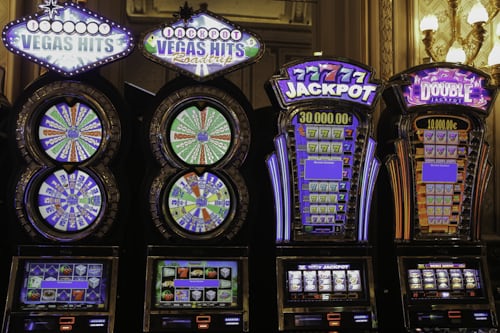
Another prevalent myth is that skill can significantly affect outcomes in games that are primarily based on luck, such as slots and roulette. Many players may think that having a strategic approach or making educated guesses can lead to consistent wins. However, these games are designed to be random, meaning that no amount of skill can alter the probabilities involved.
Recognizing that games like these rely on random number generators helps clarify that every spin or roll is independent of previous outcomes. This understanding allows players to engage with such games for entertainment without the false hope of a skill-based advantage.
The Gambler’s Fallacy Explained
The gambler’s fallacy is a common misconception where individuals believe that past events can influence future outcomes in gambling. For example, some might think that if a coin lands on heads multiple times, tails is “due” to occur. This line of reasoning overlooks the fact that each flip is an independent event, unaffected by what happened before.
This myth can lead to poor decision-making and increased losses, as players may chase losses or bet more aggressively based on flawed logic. Understanding the concept of independent events in gambling is crucial for maintaining a rational and strategic approach to betting.
Chasing Losses: A Costly Mindset
Many gamblers fall into the trap of believing that they can recover losses by increasing their bets. This mindset, often fueled by emotions like frustration or desperation, can lead to significant financial repercussions. The notion that increasing the wager will somehow make things right is a dangerous belief that can spiral into addiction and more substantial losses.
It’s essential to adopt a disciplined approach to gambling and recognize when to walk away. Understanding the odds and probabilities can help gamblers make smarter decisions, ensuring that they play responsibly rather than chasing losses in a futile attempt to regain control.
Understanding the Resource Behind This Content
This website aims to provide valuable insights and tools for those looking to enhance their understanding of gambling. It addresses common myths and offers a wealth of information on how to approach gambling with a clearer mindset. Whether you’re a novice or an experienced player, the resources available can help demystify the complexities of gambling.
If you encounter any access issues, the site owner is readily available to assist you. The commitment to user safety and performance is managed with robust security measures, ensuring that you have a secure and informative browsing experience.